A rare opportunity for investors
In central Portugal, near the city of Viseu, an unusual property has appeared at an online auction—a fully restored village, Póvoa Dão. The starting bid is set at €1.7 million, with a minimum sale price of €1.445 million. This property stands out not only because of its scale, but also thanks to its unique history dating back to the 13th century.
Restoration and modern use
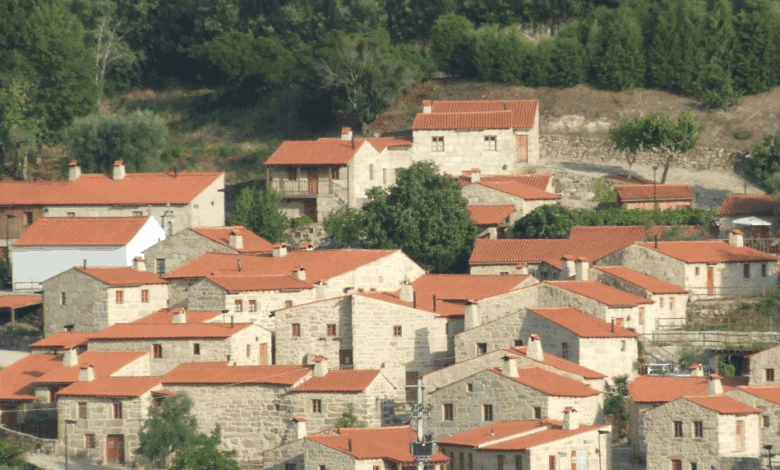
The complex, which includes 41 granite houses, a chapel, and public spaces, was meticulously restored in the early 2000s. Around five million euros were invested to revive the village’s traditional appearance and create conditions for tourism business. A restaurant, tennis court, and landscaped gardens were added, turning the once-abandoned site into an attractive rural resort.
However, financial difficulties faced by the previous owner—construction company Ramos Catarino—and the economic crisis caused by the collapse of a major bank, halted further development. As a result, the village is back on the market, now managed by another company that has decided to put the property up for sale.
Potential for tourism and heritage preservation
The total area of the site reaches 100 hectares, and the architectural ensemble has preserved the authentic features of the Beira region. The auction organizers emphasize that the property could serve as a foundation for an eco-resort, a wine complex, or another tourism project. The description notes that every detail of the village preserves memories of the past, while the surrounding nature creates an atmosphere of seclusion and tranquility.
The historic Póvoa Dão was founded in 1258 and gradually became deserted by the 1960s. Its current state is the result of an extensive restoration aimed at preserving cultural heritage and developing rural tourism. The sale of this property once again raises the question of the future for Portugal’s small towns and the potential for their revival through private investment.
Challenges and opportunities for new owners
The appearance of Póvoa Dão on the real estate market may attract both entrepreneurs and enthusiasts looking to bring their own ideas to life in tourism or agribusiness. At the same time, acquiring such a property requires not only significant investment but also a well-thought-out development strategy to strike a balance between commercial interests and respect for historic heritage.
The fate of this village could serve as an example for other regions, where historic settlements are given a new lease on life through modern management and investment approaches. Soon, it will become clear whether a new owner will be found—someone ready to continue the story of Póvoa Dão and unlock its potential for future generations.