The escalation around Iran and the blockade of Hormuz is already affecting the economy and politics of Europe, including Spain. Rising fuel prices, diplomatic disagreements, and new security threats are forcing Madrid and other European capitals to reconsider their approach to the region. The decisions being made now may shape stability and living standards in the coming months.
In recent days, Israel has continued airstrikes in southern Lebanon, considering this area outside the scope of the ceasefire. Retaliatory shelling by Hezbollah has resulted in new civilian casualties. According to RUSSPAIN, four people were killed in Maaraub in just one day, bringing the total number of deaths since spring to over two thousand. As tensions rise, both sides are preparing for talks in Washington, but expectations remain cautious.
Spanish mission in Iraq
Spanish Defense Minister Margarita Robles stated that a decision on resuming the military mission in Iraq will not be made before May. Spanish troops have now left the country following a difficult evacuation prompted by the conflict between the US, Israel, and Iran. Despite the support of Iraqi authorities, the return of the Spanish contingent depends on developments on the ground and security guarantees. Command of the mission remains with the Spanish general staff.
At the same time, France and the United Kingdom announced preparations for an international conference focused on ensuring freedom of navigation in the Strait of Hormuz. French President Emmanuel Macron emphasized that this is a peaceful initiative aimed at reducing tensions and protecting the interests of European states.
Economic impact
In Germany, the government announced a reduction in gasoline and diesel prices by 0.17 eurocents for consumers and businesses. This move was a response to a spike in oil prices caused by the conflict in Iran and the threat of Hormuz being blocked. The total support package amounts to 1.6 billion euros. Similar measures are being discussed in other EU countries, which fear further increases in energy costs.
During his visit to China, Spanish Prime Minister Pedro Sánchez called on Beijing to play a more active role in finding ways to end the war in Iran. He stressed that upholding international law and exerting pressure on the parties involved is key to stabilizing the region. Issues of cooperation with China had already been analyzed in a previous article on the impact of Sánchez’s visit on the European balance — you can read more about this in the analysis of the consequences for the EU economy and politics.
Diplomatic actions and religious responses
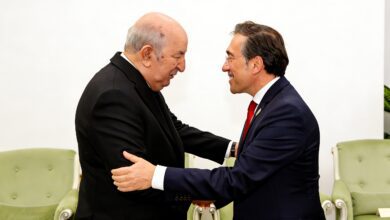
The Spanish diplomatic mission in Tehran has reopened after being closed for a month due to hostilities. Foreign Minister José Manuel Albares stated that the embassy’s return is a contribution to the peace process and supports continued dialogue. Amid diplomatic efforts, religious debates persist: Pope Leo XIV, currently visiting Algeria, refused to engage in a public dispute with Donald Trump despite his criticism.
The Israeli military attributed the recent incident involving the FINUL (Fuerza Interina de Naciones Unidas para Líbano) convoy to a lack of coordination and a minor vehicle collision. Meanwhile, Iranian authorities called the US maritime blockade an act of piracy and warned all sides of potential consequences if the situation escalates.
Hormuz blockade and new threats
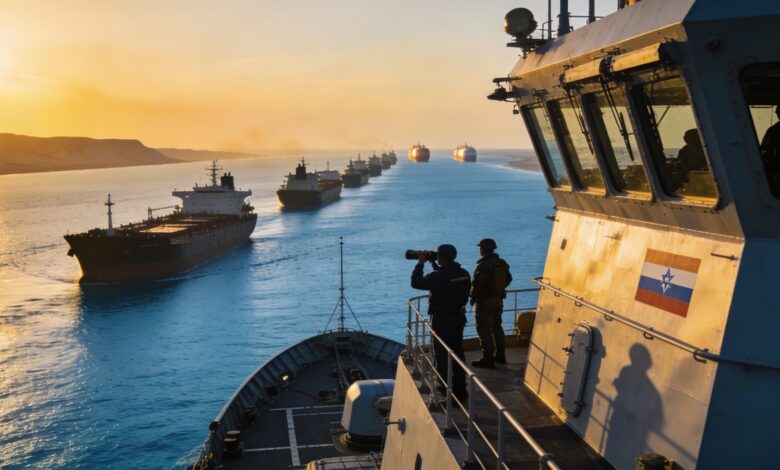
US President Donald Trump has announced a naval blockade for ships leaving Iranian ports via the Strait of Hormuz. The US Navy has been ordered to intercept any vessels that paid Iran for passage. In response, the Iranian army declared such actions illegal and warned they could trigger unpredictable consequences for all parties involved in the conflict.
A spike in tensions in the region has repeatedly affected global markets and politics. In 2019, attacks on Saudi Arabia’s oil facilities triggered a short-term increase in oil prices and prompted a review of security strategies in Europe. In 2022, the blockage of the Suez Canal disrupted global supply chains and drove up transportation costs. Each new crisis in the Persian Gulf compels European countries to strike a balance between economic interests and the need to respond to security threats.