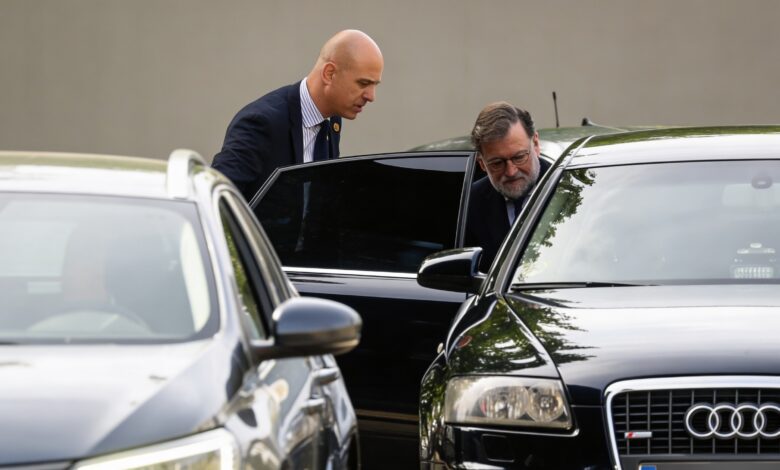
The trial of the Kitchen case continues in Madrid, with almost 50 witnesses already called to the stand, including former leaders of the Partido Popular. This week, key figures—Mariano Rajoy and María Dolores de Cospedal—testified, statements that sparked a reaction and new questions from the court. Their versions of the events surrounding the operation to surveil the party’s former treasurer, Luis Bárcenas, differ significantly from the investigation materials and police testimonies.
Testimonies Under Scrutiny
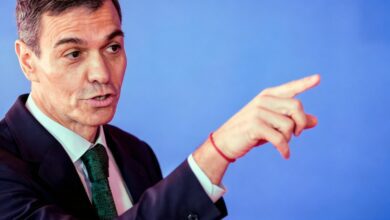
Mariano Rajoy, former head of government and of the Partido Popular, publicly stated for the first time that the Kitchen operation, in his view, was completely legal. Previously, he had described the police actions as “illegal,” but now he supported the defense strategy of the main defendant—former Interior Minister Jorge Fernández Díaz. According to Rajoy, the purpose of the operation was to search for money that Bárcenas allegedly concealed and to identify his possible proxies.
However, this version does not match the testimonies of more than a dozen police officers, who admitted to having surveilled Bárcenas’s wife and installing video surveillance outside his lawyer’s office. These actions were not coordinated with the official UDEF investigative unit, which was already investigating Bárcenas’s financial flows under court order. The leaders of UDEF and other divisions confirmed in court that they had received neither requests for assistance nor information about their colleagues’ parallel actions.
Key Contradictions
Court documents indicate that Operation Kitchen began in the summer of 2013, when information from Switzerland about Bárcenas’ accounts was already known. A key detail was the admission by police commander Enrique García Castaño: according to him, Bárcenas’ driver secretly handed over devices containing the ex-treasurer’s personal information to the police, which were copied without a court order. Two other police officers confirmed this episode.
During the hearings, Bárcenas’ claim about the existence of an audio recording in which Rajoy allegedly destroys documents related to the party’s ‘slush fund’ was also discussed. Rajoy strongly denied this allegation, stating that he had never destroyed such materials. Nevertheless, the case files include a note seized from Bárcenas’ cellmate, which mentions the need to destroy all audio files involving ‘M. R.’, which investigators believe may refer to Rajoy.
Doubts about the details
Rajoy also denied authorship of one of the SMS messages sent to Bárcenas in 2012, although he had previously admitted in court during the Gürtel case that he wrote this text. These messages were obtained by police while analyzing the devices handed over by Bárcenas’ driver, and their structure matches official investigation records.
María Dolores de Cospedal, former Secretary General of the Partido Popular, admitted to meeting with Commander José Manuel Villarejo, but claimed she never gave him any assignments. However, audio recordings of their conversations published by the media, as well as testimony from her former adviser, indicate otherwise: Cospedal asked Villarejo to “stop” the spread of the Bárcenas tapes. She also denied having phone contact with Villarejo, although analysis of phone records and entries in his personal agenda point to such conversations.
Political and legal resonance
The testimonies of Rajoy and Cospedal sparked widespread public and political reaction, but according to the prosecution, they will not affect the substance of the case. In the coming days, the court will continue questioning, including former high-ranking members of the Partido Popular and the chief investigator in the Gürtel case, Manuel Morocho, who previously reported pressure on the investigation.
Corruption-related court cases in Spain continue to draw attention. For example, a court in Tarragona recently requested 20 years of banking transactions from a former finance minister and his associates — details of this investigation are available here.