Interest in educational models that go beyond the standard curriculum is growing in Spain. More and more parents are choosing schools where children not only learn languages but also immerse themselves in different cultures. This approach develops skills in students that are crucial for their future and open new horizons for the entire country.
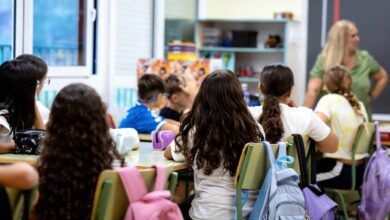
In recent years, schools offering international programs have become particularly popular. From the early grades, students go on language internships in Dublín, and in the senior classes, they take part in exchanges with France, Germany, Canada, and the USA. These are not just foreign language lessons—it is real-life experience of living and studying in another country, which helps children adapt more quickly to change and teaches them independence.
Languages and personal growth
Such schools focus not only on academic knowledge but also on personal development. Students learn to make decisions, take responsibility, and work as a team. Exchange programs and internships abroad become their first serious challenge, where it is essential to show initiative and the ability to communicate in a foreign language in real-life situations.
Starting from fifth grade, children spend a month living and studying in an English-speaking environment, enabling them not only to improve their language skills but also to learn how to handle everyday challenges away from home. Later, through exchange programs with France and Germany, they learn additional foreign languages, broadening their horizons and allowing them to see the world from a different perspective.
New Education Standards
By graduation, students from these schools already have experience living in different countries and speak several languages. This becomes their competitive advantage when applying to universities and seeking employment. Importantly, these schools devote special attention to the emotional well-being of students, creating an atmosphere of trust and support.
Teachers do more than share knowledge—they become mentors who help reveal each child’s unique talents. In this environment, students feel confident, aren’t afraid to make mistakes, and are ready for new challenges. This is especially relevant in Spain, as the labor market is becoming increasingly international and the demands on young professionals continue to grow.
Societal Impact
International programs foster critical thinking, creativity, and the ability to work in multicultural environments among students. This is important not only for their personal success but also for the development of society as a whole. Spanish schools that embrace these approaches become a model for other educational institutions across the country.
In recent years, Spain has seen a rise in educational institutions collaborating with foreign schools and universities. This not only facilitates the exchange of experience but also leads to the creation of new educational projects that address current challenges. Parents note that children who participate in such programs become more independent, open-minded, and self-confident.
In recent years, the integration of international educational standards has become an increasingly debated topic in Spain. New schools are emerging that are built on the principles of intercultural exchange and an individual approach to each student. In 2025, several regions announced pilot projects to introduce language internships for schoolchildren. Centers have already opened in Madrid and Barcelona, offering programs similar to those in Canada and France. Parents observe that these initiatives help children adapt more quickly to change and develop skills that are in demand in today’s job market.