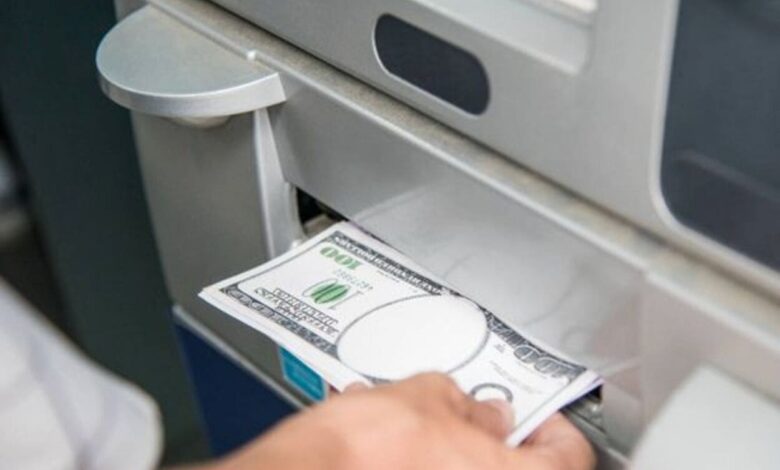
In Spain, cases of the so-called “Lebanese loop” — a method that allows criminals to steal cash from ATMs in just a few seconds — have resurfaced. Recently, police in Alicante arrested two men suspected of attempting to steal money using this technique. The incident took place on one of the city’s main streets, when the suspects tried to discreetly extract banknotes without damaging the ATM itself.
The method involves fraudsters inserting a special plastic device into the cash dispenser slot. When a customer makes a withdrawal and waits for their money, the banknotes get stuck inside the machine. Believing a technical error has occurred, the user usually leaves, unwittingly leaving their cash trapped inside.
Once the customer walks away, the criminals return, carefully remove the device along with the trapped banknotes, and disappear. The ATM remains out of service until bank staff discover the tampering and carry out repairs.
Arrest Details
During the most recent incident in Alicante, police detained two men aged 25 and 49. One was inside the ATM area attempting to install the plastic device with a screwdriver, while the other kept watch outside, ready to warn about the arrival of bystanders or security personnel.
The operation to apprehend the suspects was swift: police officers arrived on the scene after a witness reported suspicious activity at an ATM. During the search, authorities found tools and several plastic strips on the suspects, intended for installation in ATMs.
According to police representatives, such crimes most often occur at night, when bank branches are closed and the risk of being noticed is minimal. Fraudsters choose ATMs located in secluded areas or with limited video surveillance.
How the Scheme Works
The ‘Lebanese loop’ technique doesn’t require breaking into or damaging the ATM. All the perpetrators need is a thin plastic strip, which they carefully insert into the cash dispenser slot. When a customer tries to withdraw money, the bills get stuck between the strip and the device’s internal mechanism.
A user who doesn’t receive any cash usually assumes there was a malfunction and leaves, unaware of the trap. The criminals then calmly return, remove the strip with the cash, and walk away. Sometimes, after such manipulation, the ATM stops working, causing further inconvenience for other customers.
Police report that such schemes are becoming increasingly sophisticated. Fraudsters use various modifications of skimming devices to make them harder to detect, even during a quick ATM inspection. In addition, criminals often work in pairs: one distracts the victim, while the other manipulates the device.
Police Recommendations
Law enforcement officers advise being especially vigilant when using ATMs, particularly at night or in less crowded areas. If the ATM fails to dispense cash or you notice any foreign objects in the cash dispenser slot, do not leave the scene—immediately report the incident to the police or your bank’s support service.
It is also recommended to inspect the ATM before use: any unusual elements, traces of glue, or plastic inserts may indicate the presence of a ‘Lebanese loop.’ Do not attempt to remove suspicious objects yourself—this could damage the device or even result in accusations of attempted tampering.
If you encounter any suspicious situations, it’s best to wait for bank staff or the police to arrive. The sooner tampering is detected, the higher the chances of recovering your money and preventing further theft.