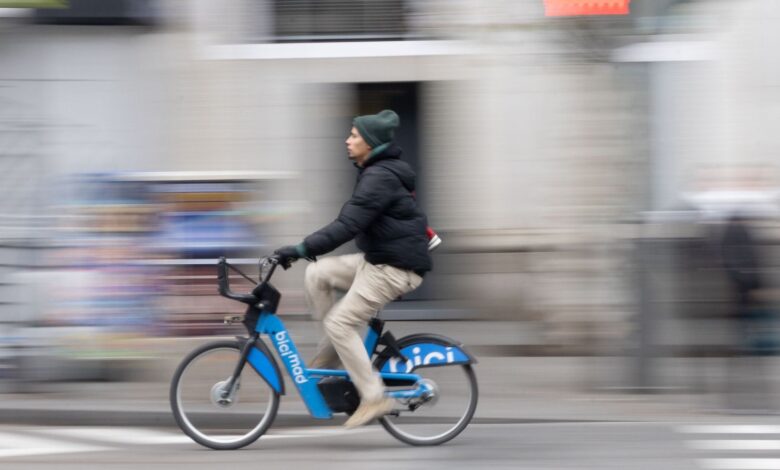
Madrid’s familiar urban rhythm is rapidly changing: BiciMad public bicycles have become a key mode of transport for tens of thousands of residents. Over the past year, the number of trips has grown by nearly 40%, with stations in the city center and near universities packed from early morning. This is more than just convenience—it’s a new approach to getting around the capital, influencing daily life and shaping modern habits among city dwellers.
Every morning, the streets of the capital are filled with students, office workers, and residents from different neighborhoods hurrying to BiciMad stations. The scene is especially lively along Paseo de la Castellana and in the university district. Here, bikes are snapped up within minutes, and available parking spots disappear by 9 a.m. Similar scenes play out in other parts of the city, such as Antonio López street or the Lavapiés district: bicycles have become the main way to get to work or class.
A Day in Motion
By midday, the situation shifts: bicycles gradually move from the city center to the outskirts. After lunch, more users head toward districts like Arganzuela, Villa de Vallecas, and Fuencarral-El Pardo. By evening, most bikes end up in residential neighborhoods, where stations become new points of attraction. Locations such as Matadero, Paseo de Yeserías, and San Blas-Canillejas stand out, gathering the highest concentration of bikes by nightfall.
September saw an all-time record: on a day when rides were free, 66,000 people used the service. The average ride lasts only 13–14 minutes, covering about 2.5 kilometers. Despite such active usage, the accident rate remains minimal: fewer than 0.009% of all trips in 2025 involved incidents.
Challenges and Issues
However, despite its popularity, Madrid is still not considered fully adapted for cyclists. The main problem is the lack of a continuous and protected cycling infrastructure. Many bike lanes end abruptly or are occupied by pedestrians, and the attempt to create a ‘green ring’ between the M-30 and M-40 is still better suited for leisure than daily commuting. Experts point out that true integration of bicycles into the transport system requires new solutions and well-thought-out policies.
Urban activists and organizations like Pedalibre call for expanding the BiciMad station network near metro and bus stops to make transfers as convenient as possible. They suggest adopting European practices, such as creating dedicated bike lanes on streets with one-way car traffic, and optimizing traffic lights to improve safety. It is crucial for urban spaces to encourage eco-friendly modes of transport, not just cars, which often carry only one passenger.
Impact on the City
Changes in the transportation habits of Madrid residents are already evident: bicycles are becoming not just a means of transportation, but a symbol of a new urban culture. It’s important to note that similar changes are taking place in other major Spanish cities as well. For instance, recent developments in Barcelona and Sevilla have demonstrated how transportation and cultural initiatives can transform the face of metropolises — read more about this in the article about sweeping changes in Spanish city life.
In Madrid, despite all the challenges, demand for bicycles continues to rise. More and more residents are choosing this mode of transport for its speed, convenience, and the opportunity to enjoy the city. Even with a lack of infrastructure, locals are finding ways to adapt and use BiciMad in their daily lives.
In recent years, Spain has seen a clear shift toward sustainable mobility. New bicycle and electric scooter rental services are appearing in major cities, and authorities are experimenting with temporary bike lanes and speed limits for cars. Pilot projects for ‘green corridors’ connecting residential neighborhoods with business centers have already been implemented in some areas of Madrid and Barcelona. These initiatives are sparking active discussions among residents and experts, and are fueling new urban debates about the future of transport.