A new wave of musical events is gaining momentum in Spain, breaking away from the typical large-scale festivals. Microfestivals held in small towns and even villages are becoming more than just music venues—they are genuine tools for strengthening local communities. Concerts can take place in the most unexpected locations: from old bars to campsites and even boats. Organizers of these events prioritize cooperation, sustainability, and a close connection with the areas where they are held.
Unlike massive shows that often turn cities into hotspots for mass tourism, microfestivals aim to preserve the usual pace of local life. They don’t invade the community as something foreign, but rather become a natural part of it—supporting traditions and involving both townspeople and villagers in the process. This approach not only helps maintain the uniqueness of each location, but also forges new cultural connections.
New formats
The organizers of microfestivals are always looking for fresh ideas and are not afraid to experiment. Among them you’ll find folk music concerts in Castilian villages, reggae festivals in Galicia, hardcore parties in Extremadura, and even flamenco in the great outdoors. Each project has its own character, but all share the same goal: to make culture accessible and relevant to the local community.
Such events are often the result of initiatives by the citizens themselves, who want to change the world around them. They don’t wait for support from major sponsors but rely on their own resources and the help of neighbors. In some cases, they manage to attract government funding, but even then organizers strive to maintain their independence and remain attentive to the needs of the community.
The Power of Collaboration
A key feature of microfestivals is the collaboration between different collectives and cities. Instead of competition, there’s a spirit of mutual support: musicians and organizers share experiences, help each other, and even raise funds to develop new venues. This approach helps build resilient cultural networks that aren’t subject to the whims of the market or trends.
Many participants note that it’s thanks to working together that the boldest ideas can be brought to life. In Spain, entire festival associations have already formed, helping each other with organization, promotion, and finding artists. This not only saves resources but also makes the events more interesting and diverse.
Impact on Local Communities
Microfestivals have a tangible impact on the life of small towns and villages. They help retain population, attract young people, and create new jobs. For many residents, these events become a source of pride and a chance to discover new musical genres.
However, organizers emphasize the importance of not overwhelming the area or turning the festival into a source of problems for locals. If a village with 30 residents receives several thousand guests, it could lead to chaos and discontent. That’s why planning always takes into account the community’s actual capacity and needs.
An Alternative to Mass Shows
In recent years, large concerts have become less accessible to the general public. High ticket prices, the difficulty of buying them, and the growing commercialization of culture are driving many music lovers away. Against this backdrop, micro-festivals offer a real alternative: there are no long lines, the atmosphere is more welcoming, and anyone can participate in organizing the event.
Some organizers even intentionally limit the scale of their events to maintain a local feel and keep their connection to the territory. They believe culture should serve the people, not become a commodity for tourists and investors. This approach is gaining more support among Spaniards tired of impersonal mass shows.
The Future of Micro-Festivals
Experts point out that micro-festivals could become an important part of the country’s cultural life. They not only help preserve local traditions, but also open up new opportunities for creativity and self-expression. In times of economic uncertainty and rising social tensions, such events become especially relevant.
Organizers are confident: if the government continues to support local initiatives, microfestivals can grow and attract more participants. The key is to maintain a balance between the interests of organizers and the needs of local residents, ensuring culture remains vibrant and accessible to all.
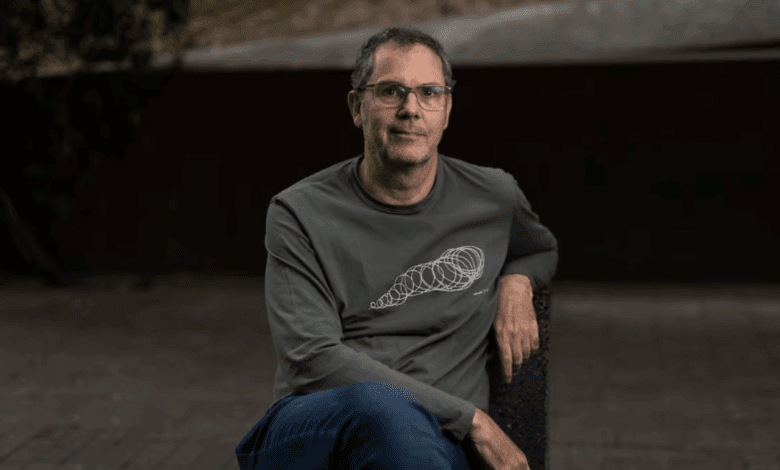
If you didn’t know, Nando Cruz is a well-known Spanish journalist and writer specializing in the music industry and cultural processes. His books often spark discussions about current issues in contemporary culture. In his work, he explores the impact of musical events on society and raises questions about the future of cultural initiatives in Spain.