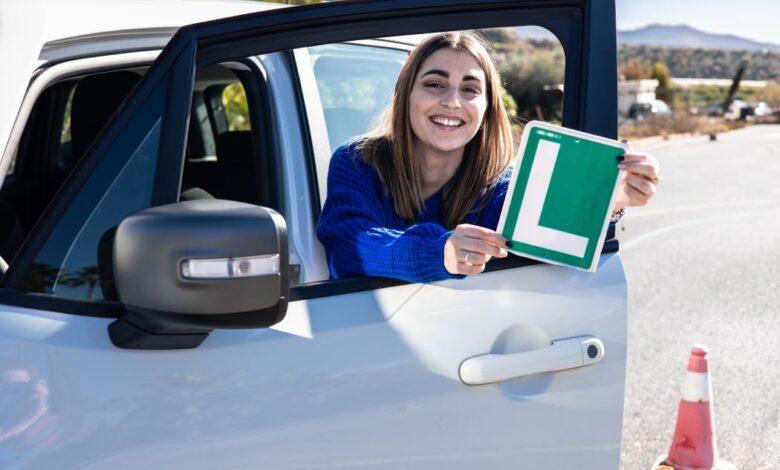
In Spain, the cost of obtaining a driver’s license is made up of multiple components. In addition to the standard fees for the theory course and registration, practical lessons account for a significant portion of the expenses. A single practical session in Madrid or Barcelona can cost up to €40, and if you’re not fully confident in your skills, be prepared to take at least 20 lessons. In some regions, such as Galicia, the price may be noticeably lower, but the difference between cities can sometimes reach up to a thousand euros. This is no exaggeration—I personally compared prices in different provinces and was surprised by the variation.
Financial planning
The process of getting a driver’s license in Spain can be quite expensive. Costs include enrollment at a driving school, theory courses, practical driving lessons, a medical exam, government fees, and testing. Practical lessons make up a significant part of the total expenses: in major cities like Madrid and Barcelona, a single lesson can cost up to €40, and you’ll likely need at least 20 lessons to pass the exam with confidence. In regions with a lower cost of living, such as Galicia, prices are often considerably lower, with the gap between cities sometimes reaching as much as a thousand euros.
A medical certificate is a mandatory requirement for admission to the exam and typically costs up to €50. It is valid for three months; if you do not take the exam within this period, you will need to repeat the procedure. The government fee for the exam in 2026 is just over €94, and for a retake, the amount doubles. Additionally, driving schools charge for organizing retests and for instructor support during the practical exam.
Professional licenses
If you plan to work as a truck or bus driver, be prepared for even higher costs. Obtaining categories C or D requires not only more practical training, but also the completion of a special course — the so-called CAP. This program is mandatory for professional drivers, and its cost can reach up to €2,000. When combined with other expenses, the total amount often exceeds €4,000. I spoke with several acquaintances who have been through this process, and all of them noted that you should not start without a financial cushion.
In addition, working with commercial vehicles requires obtaining a digital tachograph card. This is another expense that is often overlooked when budgeting. It is important to clarify all details with your chosen driving school in advance so you don’t face unexpected payments at the worst possible moment.
Financing options
Many driving schools offer installment plans, allowing students to spread out payments instead of paying a large sum upfront. Bank loans or microloans are also available, but it’s important to carefully review interest rates and repayment terms.
Government support programs help reduce costs. In some autonomous communities, subsidies are available for young people and future professional drivers. A national initiative running in 2026 offers up to €2,000 for training to drive trucks or buses, making it possible to change professions or start a career in transport.
Regional differences
The cost of obtaining a driver’s license varies greatly depending on the region. In La Coruña, the average price for a full course is about €560, while in San Sebastián it can reach nearly €1,600. This difference is due to factors like the local cost of living, competition among driving schools, and the first-time exam pass rate.
If you want to save money, consider studying in a more affordable region. Of course, it’s not always convenient, but if your budget is tight, this approach could be worthwhile.
If you weren’t aware, the Dirección General de Tráfico (DGT) is the main government agency responsible for issuing driver’s licenses and regulating road traffic in Spain. The DGT sets exam rules, accredits driving schools, and publishes official test statistics. In recent years, the agency has actively introduced digital services and launched initiatives to improve road safety.