The results of the 2026 elections in Castilla y León signaled changes affecting not only major cities, but also small towns. For residents of the region, this means new political directions and potential shifts in resource allocation. According to El Pais, a street-by-street and neighborhood-level analysis of the vote revealed unexpected trends not previously recorded at such a detailed scale.
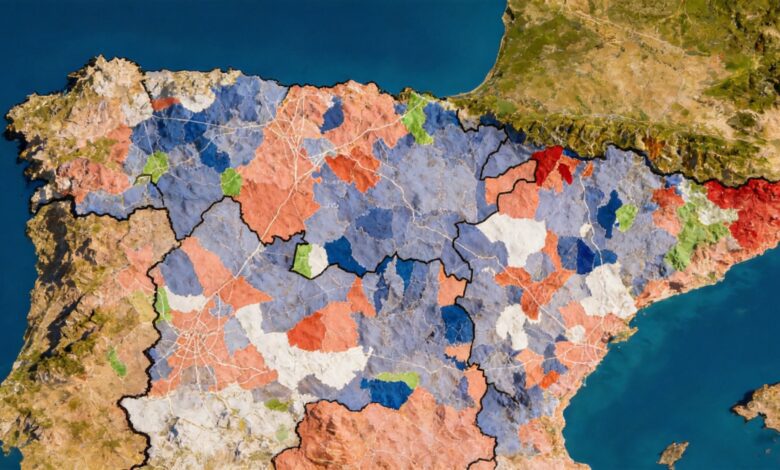
For the first time, the regional electoral map was presented down to the level of individual polling stations, each covering around a thousand residents. In cities, these zones can include just a few blocks, allowing observers to see how political preferences shift literally from one street to the next. This approach helps identify where traditional parties have strengthened their positions and where new forces have managed to attract voters’ attention.
Special attention was paid to districts where the difference between parties was minimal. In some sections, parties with little previous influence scored victories. This came as a surprise to many observers and analysts. According to russpain.com, such detailed results expose hidden trends and clarify which issues and topics mattered most to residents in specific areas.
Voting details
The interactive map published by El Pais shows which party received the most support in each precinct. Filters allow users to compare the data with the previous 2022 elections and see where the most significant changes occurred. In some municipalities, traditional leaders gave way to new political forces, indicating growing dissatisfaction or a shift in priorities among the population.
In urban areas, where population density is higher, the gap between parties is often narrow. Here, the contest for votes was fought house by house. In contrast, rural areas saw a clearer dominance by one party, reflecting the unique challenges and expectations of local residents. As El Pais notes, these differences become especially evident when compared to results from previous years.
Voter turnout also played a key role. In some precincts, turnout was above the regional average, which influenced the final vote distribution. Analysts link this to local initiatives and campaigns targeting specific population groups. As a result, party support across the map has become more varied and less predictable.
Comparison with previous elections
Compared to the 2022 elections, a number of districts have shifted toward new political movements. Some parties, previously considered outsiders, managed to significantly increase their presence. This is especially evident in areas that were once dominated by major players. According to El Pais, such changes may signal to parties the need to reconsider their strategies and programs.
At the same time, stability remains in several municipalities: voters continue to support familiar political forces. However, even here, there have been small but important changes in voting patterns. This may indicate a gradual shift in public sentiment, which so far has not led to drastic changes, but is already noticeable at the street and neighborhood level.
Interestingly, this level of detail in the election results not only helps analyze the current situation but also allows for forecasting possible scenarios for the region’s political development. As experience from other regions shows, such data serve as a foundation for new strategies and campaigns targeting specific voter groups.
Context and trends
In recent years, Spain has seen a growing interest in the local aspects of voting. Similar maps have already been used in Andalusia, where unexpected election timings and fears of change became topics of discussion among politicians and experts. You can learn more about how the authorities in Andalusia made decisions on election dates and responded to new challenges in the article on political debates and emotions in Andalusia.
Using maps broken down by sections helps identify subtle patterns and respond quickly to shifts in public sentiment. In Castilla y León, this approach has already produced initial results: parties have started to work more actively with local initiatives and to consider the specifics of individual districts. According to El Pais, such tools are becoming increasingly in demand among politicians and analysts.
In the coming years, similar analytical methods are expected to be implemented in other regions of the country. This will not only provide a better understanding of voters, but also help build more effective campaigns focused on the real needs of the population. As competition between parties intensifies, such data is becoming a key resource for decision-making.
Recalling the most recent major elections in Spain, it is worth noting that detailed analysis of voting by sections has already helped identify unexpected trends. For example, in Madrid and Barcelona, such maps enabled parties to adjust their strategies and achieve better results in subsequent elections. Other regions of the country also show growing interest in local data, reflecting an overall trend towards personalized political campaigns and consideration of the unique characteristics of each district.