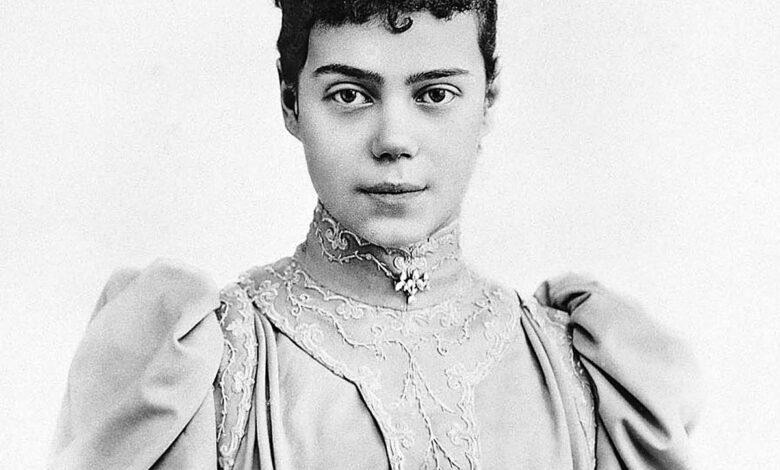
The fate of the Romanov dynasty’s jewels still sparks heated debate among historians and collectors. After the 1917 revolution, many relics vanished, with some resurfacing at auctions decades later. At the heart of this drama is the jewelry collection of Grand Duchess Xenia Alexandrovna—sister of Nicholas II—who, fleeing the Bolsheviks, left Russia not only with family heirlooms but also with two unique albums featuring watercolor sketches of her precious jewels.
These albums, filled with masterfully executed illustrations, served not only as a personal archive but also as an invaluable historical testament to the luxury and traditions of the imperial family. They feature gifts Xenia received between 1880 and 1912: from Fabergé coronation brooches to emerald sets commissioned personally by Alexander III. Each drawing was accompanied by a note about the giver, but not about the value or maker of the piece, further fueling interest in these pages.
However, despite such a dazzling past, exile life proved to be a true ordeal for Xenia. Financial hardships forced her to part with family jewels. Many were sold for a pittance, and some simply disappeared. Particularly painful were the moments when, at social gatherings in London, she would spot other women wearing her former jewelry, once owned by her family.
Losses and deals
Ksenia’s first years in England were a time of forced compromises. Lacking experience with money, she became an easy target for fraudsters. An American bought several diamond jewelry pieces from her at prices far below their actual value. Meanwhile, Russian jewels were in high demand on the British market, with many ending up in the private collections of aristocrats.
The family heirlooms that were saved gradually disappeared: some were sold, some gifted or lost. After the death of Ksenia’s mother, Maria Feodorovna, in 1928, a box containing the remaining jewels—including tiaras, brooches, and the famous Fabergé eggs—was secretly brought to England. Yet, even then the family faced injustice: for a collection valued at hundreds of thousands of pounds, they were offered only a fraction of its worth. Some of these items later ended up in the hands of the British royal family.
Albums as Witnesses of an Era
Two leather-bound albums that survived emigration caused a sensation when they were auctioned in London in 2011. They contain 925 watercolors, each telling the story of a different piece of jewelry. Among them are coronation brooches, diamond and emerald tiaras, wedding necklaces, and even unique creations made to the emperor’s personal order.
For researchers, these albums are the key to unlocking the origins of many lost relics. They allow us to trace the journey of the jewels from imperial halls to private collections across Europe. But for Ksenia’s descendants, these pages are a reminder of a lost world destroyed by revolution and exile.
Life after the Empire
Despite forced sales and losses, Ksenia Alexandrovna managed to preserve her dignity and connection to the past. In England, she led an active social life, welcoming relatives and friends, trying to recreate the atmosphere of former years. Yet financial difficulties continued to haunt her until the end of her life. Even after her death, when the watercolor albums were passed on to her children, their fate remained tied to the auction halls and new owners.
The story of Ksenia’s collection is not just about lost treasures, but also about the price paid for survival and preserving the dynasty’s memory. Every lot that went under the hammer is part of a larger drama, where personal tragedies intertwined with a nation’s history.
Ksenia Alexandrovna Romanova is one of the most prominent members of the Romanov dynasty, whose life unfolded at the crossroads of two eras. Born into the luxury of imperial palaces, she witnessed the fall of the monarchy and was forced into exile. Her collection of jewels and unique watercolor albums continues to intrigue collectors and historians, while the fate of these relics has become a symbol of the lost world of Russian aristocracy.