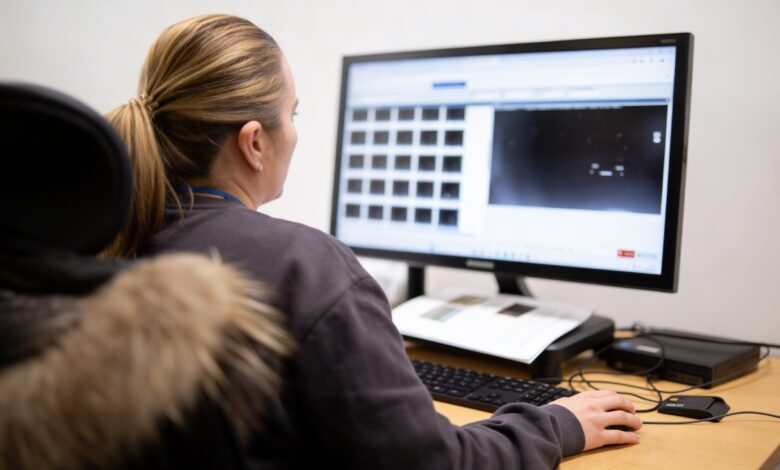
In recent years, Spain has seen a sharp increase in traffic violations, directly affecting road safety and the operation of government agencies. The Estrada center, located near León, has become the heart of the fine processing system, with hundreds of specialists working there every day. Thanks to the implementation of modern technologies and strict verification procedures, the country has improved the efficiency of identifying offenders and reduced the number of disputed cases.
According to El Pais, this center processes more than 6.5 million images from cameras and radars annually, but only about four million of them result in actual fines. This approach helps minimize errors and eliminates unwarranted penalties. It’s also important that about 40% of the materials received are dismissed due to technical discrepancies or unclear data. This lowers the risk of wrongful accusations and strengthens public trust in the system.
Technology and oversight
Every morning, a team of specialists checks the operation of all radars and cameras installed across the country, except for Catalonia and the Basque Country where monitoring is managed locally. The inspection involves analyzing timing, speed, equipment condition, and image quality. All data is transmitted to the Estrada center via secure communication channels, where it undergoes additional spot checks. If any images fail to meet standards, they are automatically excluded from processing.
Further work is based on the principle of double verification: an operator manually checks the license plate number against the automated recognition result and also confirms the vehicle’s make and model. Modern radars can determine which lane the offender was in, helping prevent mistakes when several vehicles appear in one frame. Thanks to these measures, fine processing times have been cut from 52 to 7 days, and the error rate has dropped to a minimum.
Unusual incidents and foreign drivers
Center staff encounter a wide range of situations in their work. Sometimes photos capture passengers waving at the cameras or drivers trying to obscure their license plate with a hand. In one case, specialists managed to reconstruct a motorcyclist’s plate after he regularly concealed part of it—they analyzed a series of images and pieced together the data like a puzzle. This information was then passed to the Guardia Civil for further action.
Special attention is paid to foreign-registered vehicles. Most fines among international drivers are issued to those from France, Portugal, and Germany. However, processing such cases is possible only if there is an agreement between countries. The number of appeals and court proceedings over these fines remains very low, which indicates the center’s high level of accuracy.
Handling inquiries and citizen support
Estrada also operates a support service, handling around 10,000 calls every day. Operators provide consultations on fine payments, appointments at provincial offices, and other administrative procedures. Service is available in several languages, making it easier for foreigners to interact. In a separate facility, documents from various regions of the country are being digitized, which speeds up access to information and streamlines administrative processes.
Sometimes citizens’ requests are quite unusual: some explain speeding by being chased by a UFO, while others threaten center staff. Despite this, most issues are resolved quickly and without conflict. As El Pais notes, the center’s efficiency directly impacts the reduction of legal disputes and strengthens trust in the traffic control system.
Context and trends
The creation of the Estrada center was part of a large-scale road safety reform in Spain, which included the introduction of a points system, an upgrade of technical infrastructure, and tougher legislation. In recent years, the number of road fatalities in the country has fallen more than fivefold, despite an increase in drivers and vehicles. Similar measures are already being discussed in other European countries, where interest in automating violation control is also growing.
In Spain, the topic of fines and road traffic control regularly sparks public debate. For example, new initiatives to toughen penalties for the public glorification of terrorists were recently discussed, which also ties into issues of security and law enforcement. More details on these changes can be found in the article about new fines for glorifying terrorists on russpain.com.
In recent years, Spain has actively implemented digital solutions to increase transparency and efficiency within government agencies. The Estrada Center has become an example of how modern technology and strict oversight can transform road safety management. Other European countries have also seen an increase in automated cameras and tighter enforcement, which is reducing accidents and improving driver discipline.