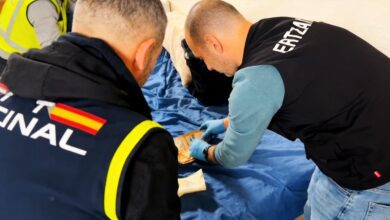
In the very heart of A Coruña, beneath the building of the Teresa Herrera Children’s Hospital, there is a place where the fate of many people is decided every day. Here, deep within the medical complex, operates one of Spain’s oldest human tissue banks. Its staff are on call around the clock, ready to receive new donations or dispatch them to any corner of Galicia and beyond. Over nearly thirty years of work, thousands of bones, corneas, arteries, and other tissues have been preserved and delivered here—offering a new lease on life to patients of all ages.
The history of this institution began in the 1990s, when tissue transplantation was just gaining ground. Back then, doctors took the bold step to replace a tumor-affected bone in a young woman with a donor fragment for the first time. The operation was a success, and the patient—despite the grim diagnosis—kept her leg and returned to an active life. Since then, the bank has witnessed many true medical miracles: donor tissues have helped patients avoid amputations, restore their sight, and regain mobility.
Technology and people
The bank’s team is small: two doctors, a biologist, and four technical specialists. Their work never stops—tissue can arrive at any moment. Every donated material is carefully labeled and accompanied by detailed documentation, recorded both on paper and digitally. All information is strictly confidential, and behind each package—whether bone or cornea—lies the story of a particular individual.
The process begins immediately after the donor’s death: medical staff have just 24 hours to collect and prepare the tissues. Unlike organ transplants, there’s no need for urgent air transport—in most cases, a specially trained taxi driver from A Coruña delivers the materials. Each hospital in the region has specialists who monitor potential donors and help families make the difficult decision to donate tissue.
Storage conditions
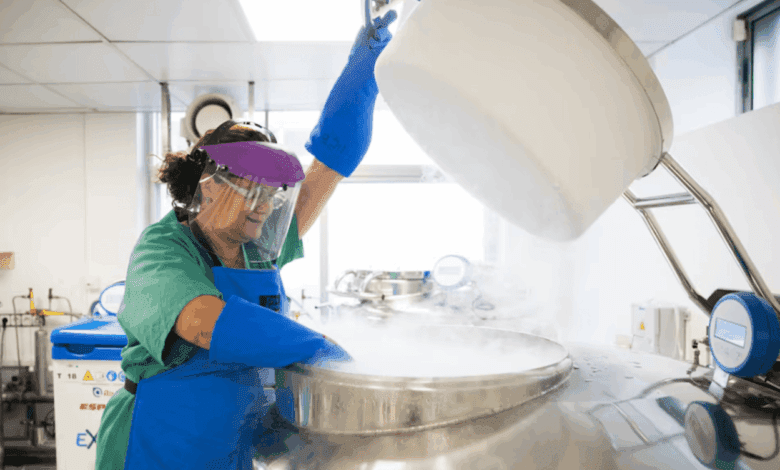
A special microclimate is maintained inside the bank. Freezers are kept at -80 degrees, while special liquid nitrogen tanks reach as low as -196. Here you can find not only bones and corneas, but also embryos remaining after IVF procedures, as well as frozen sperm from patients undergoing chemotherapy. Sometimes, relatives request this material even years after the donor’s death, provided the appropriate notarized instructions were left.
In a separate sterile room, specialists process and prepare tissues for storage. Every aspect here follows strict sanitary regulations: pressure, humidity, and temperature are constantly monitored. Even a short stay in the room can cause mild dizziness among staff due to the pressure difference.
Opportunities for patients
Over the years, the bank has assisted more than 15,000 patients. While tissue transplantation may not be as widely recognized as organ or blood donation, its importance cannot be overstated. Donor tissues make it possible to restore sight, replace worn joints, treat severe injuries, and even restore mobility after cancer surgeries.
A donor’s age isn’t always a decisive factor: sometimes the corneas of 80-year-olds are in excellent condition, and among recipients there are patients over 85. Doctors believe that if there’s a chance to improve quality of life, it should be taken, regardless of the patient’s age.
Statistics and new methods
Since 1997, the bank’s workload has tripled. Last year alone, almost three thousand units of biomaterial were processed here—from corneas and blood vessels to stem cells and amniotic membranes used to repair eye tissues. The laboratory also prepares a special “bone cement” made from crushed bone, which helps patients with worn joints or after complex surgeries.
The demand for donor tissues is steadily increasing. Last year, in one medical complex in A Coruña alone, 138 donors were registered, making it possible to perform over 500 tissue transplants. Thanks to these efforts, about 200 corneas are transplanted in the region every year, and the number of successful procedures continues to grow.