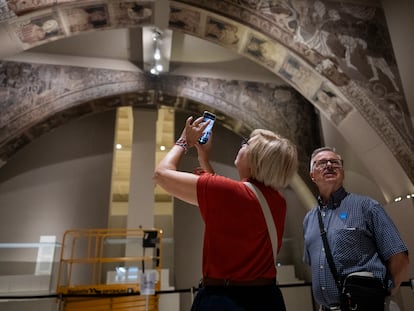
A high-profile dispute continues in Huesca over the fate of unique wall paintings that once adorned the monastery of Sijena. The National Art Museum of Catalonia (Museu Nacional d’Art de Catalunya, MNAC) sought to commission an additional expert assessment to evaluate the conditions and consequences of relocating the frescoes. However, the presiding judge found this step unnecessary at the current stage.
The museum insisted that a ruling on the return of these artworks could only be properly implemented with an evaluation by specialists from the Spanish Cultural Heritage Institute (Instituto de Patrimonio Cultural de España, IPCE). According to MNAC representatives, only dedicated experts can objectively determine the best way to transport and subsequently preserve the frescoes, which are currently displayed in Room 16 of the museum in Barcelona.
Nevertheless, the judge decided that now is not the time for new expert reports. She emphasized that all parties should first state their positions on the already proposed timetables for the return. Once this happens, the court will set the timeline and procedures for implementing the decision, to ensure the artworks are actually returned.
Arguments from both sides and government response
The Government of Aragón (Gobierno de Aragón) viewed the court’s decision as confirmation that the case will be seen through to the end and the previous ruling will be enforced. In the authorities’ view, discussing whether the court order can be carried out is pointless—the matter is already settled.
Meanwhile, back in early October, the MNAC museum had requested the court’s permission to conduct an expert examination, emphasizing the complexity of relocating the frescoes. The Catalan side argued that without a professional assessment, it would be impossible to guarantee the preservation of these unique works.
Catalonia excluded from the process
The second major update in the case is that the judge upheld the complaint from the municipality of Villanueva de Sijena, ruling that the government of Catalonia (Generalitat de Catalunya) should not participate in carrying out the court’s decision. The court concluded that the Catalan authorities are not considered debtors in this case and therefore cannot be a party in the process of returning the frescoes.
Earlier, the judge had allowed the Catalan government to join the case, believing it had a legitimate interest in the fate of the cultural assets. However, after objections from the municipality and support from the Aragonese government, the court reversed its position. It is now officially recognized that the frescoes are part of the cultural heritage of Aragón, and only this autonomous community has the right to determine their future.
What’s next for the Sijena frescoes
The legal battle over the return of the frescoes has been ongoing for several years, marked by heated disputes between Catalonia and Aragón. The judge’s decision means that the process of returning the artworks must proceed without further expert reviews and without the involvement of Catalan authorities. In the near future, the court will determine the specific timeline and conditions for transferring the frescoes back to the Sijena monastery.
This case once again highlights how acute the issue of ownership of cultural assets is in Spain, and how difficult it can be to find a compromise between regions that lay claim to historical heritage.