In March 2026, the center of Madrid will once again become the focus of attention with a grand parade in honor of San Patricio. This event will not only bring new energy to the city, but also lead to significant changes in traffic, which is important for all residents and visitors of the capital. Organizers expect thousands of people to gather on the main streets to witness the unique procession, which has become one of Spain’s most prominent spring traditions.
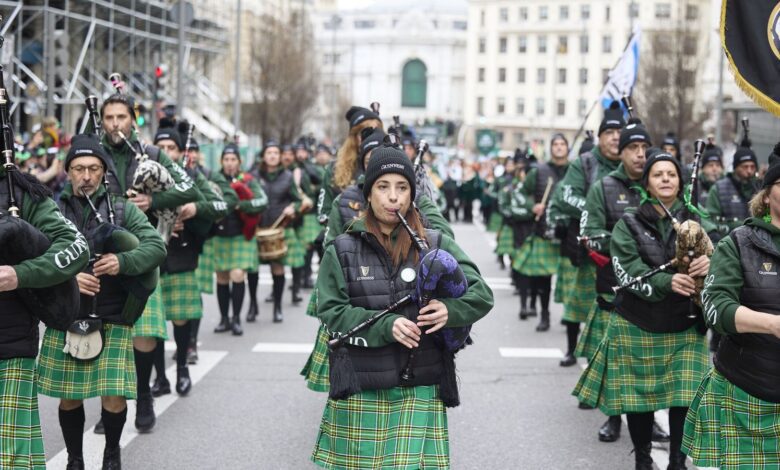
The parade will take place on March 14, turning Gran Vía into a green corridor filled with music and dance. More than 600 musicians from 40 ensembles, including renowned guitarists and dance groups, will follow the route from the Metrópolis building to Plaza de España. Along the way, spectators will enjoy artists’ performances and special animation programs, creating the atmosphere of a true Irish festival. According to RUSSPAIN.COM, large-scale events like this in the city center are always accompanied by increased security and temporary restrictions for drivers.
Traffic restrictions
Due to the parade, traffic on Gran Vía and adjacent streets will be restricted starting half an hour before the event begins. Drivers are advised to plan their routes in advance and prioritize using the metro. The nearest stations—Callao and Gran Vía—will operate as usual, helping to avoid unnecessary delays. Organizers emphasize that closing one of Madrid’s main thoroughfares is essential for the safety of participants and spectators, as a record number of visitors is expected.
The festive week dedicated to Ireland kicks off on March 10 and concludes on March 17. During this time, the Gran Vía metro station will once again become ‘Green Vía,’ hosting daily musical and dance performances. In addition, cultural venues such as Matadero, Lavapiés, Ateneo, and Cine Doré have prepared special programs focused on Irish literature and cinema. This will allow residents and visitors to discover Ireland’s traditions and history in a new format.
Cultural program
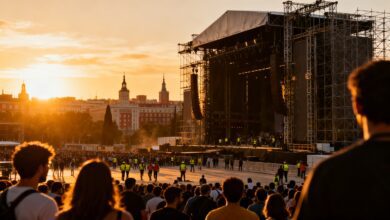
After the parade, a free concert will take place at Callao Square as the grand finale of a vibrant week. Both local and guest artists will take the stage, and the festive spirit will last late into the evening. This year, organizers are focusing on a diverse range of genres and unexpected collaborations to surprise even the most discerning audiences. The week also features film screenings, literary gatherings, and workshops on traditional crafts.
For the fourth year in a row, Madrid is joining the global movement celebrating St. Patrick’s Day. During this time, the city takes on a new look: streets are decorated with green ornaments, and cafes and restaurants offer special menus. According to El Confidencial, the tradition of marking this day with parades dates back centuries and is linked to the story of St. Patrick himself, who is regarded as the patron saint of Ireland. In recent years, Spain’s capital has increasingly integrated itself into the international calendar of festivities, making Madrid a notable destination for such events.
Historical Background
The San Patricio holiday is celebrated every year on March 17 in honor of the saint who, according to legend, brought Christianity to the island. In Ireland and around the world, the day is marked by large-scale parades, concerts, and cultural events. In Madrid, the tradition of holding a parade is relatively new but has quickly become an integral part of city life. Last year, the event attracted a record number of participants and spectators, and this year, interest is expected to be even higher.
In recent years, the Spanish capital has actively promoted cultural initiatives related to international celebrations. For example, in February, residents were drawn to unique markets featuring rare finds and handcrafted goods — you can read more about this in the article about Madrid’s unexpected markets. Such events not only diversify leisure time, but also boost tourism and help strengthen the city’s image as a cultural hub of Spain.
The San Patricio Parade in Madrid is more than just a procession—it’s a whole week filled with music, dancing, and creative initiatives. In recent years, similar events have grown increasingly popular, attracting not only local residents but also visitors from other regions and countries. In 2025, for instance, comparable parades were held in Barcelona and Valencia, where temporary traffic restrictions and heightened security measures were also introduced. In Madrid, the parade on Gran Vía is now considered one of the most vibrant spring events, bringing together people of different ages and backgrounds.