Mass Flight Cancellations Leave Passengers in the Dark
Air traffic between Madrid and Caracas has come to a standstill after multiple airlines announced the suspension of flights. Hundreds of ticket holders found themselves stranded at Adolfo Suárez Madrid-Barajas Airport, receiving neither clear explanations nor assistance. Iberia was the first to halt all flights to Venezuela, stating it would not resume service until December. Air Europa and Plus Ultra soon followed suit, cancelling all upcoming departures without specifying when flights might resume. Latin American carrier Estelar also cancelled its flights this week, leaving passengers with no alternatives.
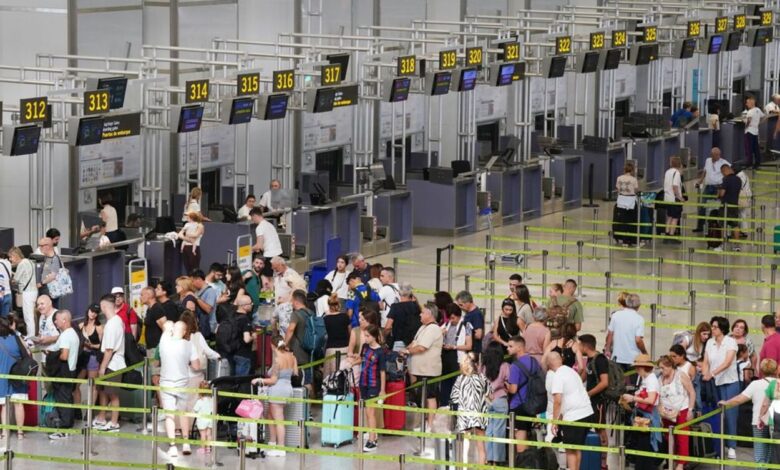
Dozens of people crowded Terminal 1, forced to spend the night on benches and on the floor. Most of them are customers of Estelar and Air Europa. They were offered neither accommodation nor meals. According to José Enrique García, who became the informal spokesperson for the affected group, the airline not only failed to provide lodging, but didn’t even open a consultation desk. Other passengers complain about having received no information about alternative connections, refunds, or compensation.
Passengers Demand Answers and Assistance
The situation in Terminal 4 is no better: around twenty people are waiting for any news from Plus Ultra. The company promises to rebook them or provide vouchers, but gives no specific dates. Air Europa is offering similar terms, but only for late November, which does not satisfy most of those stranded.
Some travelers, like Denis Rodriguez, have been forced to find detours: he plans to first fly to Colombia and then travel on to Venezuela. According to him, a few airlines are trying to provide meals and temporary accommodation, but it’s clearly not enough. Many passengers only learned about the flight cancellations upon arriving at the airport and now have no idea what to do next.
Reasons for cancellations: international tensions and government threats
The wave of mass flight cancellations is not solely the result of decisions by the airlines themselves. Previously, Avianca, TAP, and Gol took similar actions after a warning from the US Federal Aviation Administration (FAA) about potential risks in Venezuelan airspace. Against this backdrop, the country’s authorities (INAC) threatened to revoke airlines’ rights to fly if they did not resume flights within two days. The International Air Transport Association (IATA) condemned such ultimatums and called for greater transparency.
The situation is further complicated by political and military tensions in the region. The United States has officially declared Venezuelan President Nicolás Maduro a terrorist and announced the start of covert operations in South America. This has only increased anxiety among airlines and passengers, many of whom are now unable to return home or travel on business.
Passengers in limbo: uncertainty and exhaustion
The atmosphere in the waiting areas of Madrid airport is one of confusion and frustration. People are forced to sleep on the floor, survive on vending machine snacks, and wait for any kind of news. Many fear the situation could drag on for weeks, with no compensation or assistance forthcoming. Some are already considering alternative routes through third countries, despite the extra costs and inconvenience.
While airlines and authorities fail to reach an agreement, hundreds of passengers remain hostages of the situation. For many, it’s not just a ruined vacation or business trip, but a real struggle to get back home.