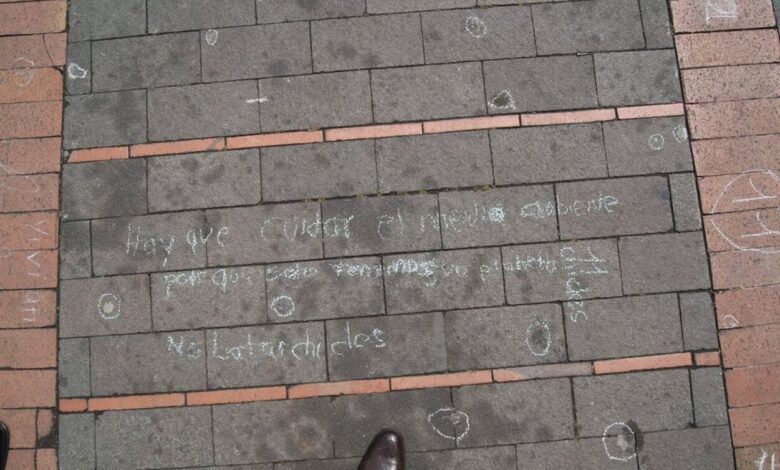
On the streets of Ibiza and Palma de Mallorca, dark stains are increasingly visible—at first glance, they look like ordinary dirt. In reality, these are traces of chewing gum discarded directly onto the sidewalks by passersby. Over the past year, the municipalities of these cities have faced unexpectedly high costs in tackling this type of litter.
In Ibiza, local authorities have calculated that removing a single piece of gum from the pavement costs around one euro. Altogether, annual expenses exceed 600,000 euros. Palma de Mallorca faces similar challenges—cleaning just one kilometer of the seafront requires a 50,000-euro allocation. And that covers only a one-time clean-up, not regular maintenance.
The problem is made worse by the fact that chewing gum does not naturally decompose and cannot be recycled. Removing it requires special equipment with pressurized hot water. In Ibiza, the city even had to choose new models of cleaning machines to cope with the task. In Palma de Mallorca, after the waterfront renovation was completed, authorities organized a large-scale cleaning effort to restore the sidewalks’ tidy appearance. However, daily cleaning has proved ineffective—new stains keep appearing over and over again.
Municipalities do more than just cleaning the streets. In Ibiza, a public awareness campaign was launched to inform both residents and visitors. Special gum disposal bins have been installed in hotspots—near schools, at bus stops, and along major avenues. Throwing chewing gum on the ground can now result in fines of up to 2,000 euros. Despite these efforts, the problem hasn’t been fully solved, though the amount of litter has decreased somewhat.
Chewing gum accumulation on the streets not only spoils the city’s appearance but also poses a public health risk. Studies show that such waste can harbor dangerous bacteria for a long time. This issue is particularly evident in areas crowded with cafés and restaurants, where foot traffic is heavy. Authorities emphasize that regular cleaning methods simply don’t work here, and additional solutions require significant investment.
As a result, the fight against chewing gum litter on the streets of the Balearic Islands has turned into a constant race for cleanliness. Local authorities must juggle expenses, fines, and public awareness campaigns. For now, residents and tourists alike continue to leave behind traces that don’t disappear on their own.