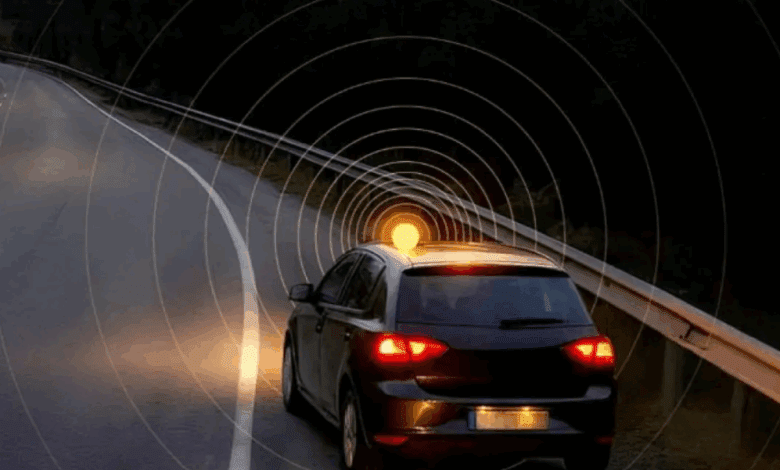
Spanish roads changed at the start of 2026: now every driver is required to use a V16 beacon in case of an accident or breakdown. The device was meant to improve safety, but in reality, it has sparked heated debate and concern. Drivers stranded on the roadside are now not only waiting for assistance, but also risk becoming targets for criminals. That’s because their vehicle’s location is broadcast in real time—not just to emergency services.
In the first weeks after the V16 beacon became mandatory, a wave of criticism swept across the country. Many point out that now anyone can find out exactly where a broken-down vehicle is located. This is especially dangerous at night or on isolated roads. Drivers fear that this information could fall into the hands of criminals who might exploit the vulnerability of people left stranded.
Access to the data
The core issue lies in the openness of the information. The geolocation of a stranded vehicle is sent to road service servers, but the data isn’t only available to police or rescuers. In theory, anyone can find out exactly where a vehicle in trouble is located. This raises questions: why isn’t such sensitive information protected? Why wasn’t access restricted to official agencies only?
Some representatives of road services claim the system poses no threat and in fact helps speed up response to incidents. However, many experts and drivers disagree. They insist that the baliza should only have been introduced after thorough consideration of safety and privacy issues. In their view, the current system now creates new opportunities for fraudsters and criminals.
Emerging threats
The introduction of the V16 beacon has given rise to unexpected risks. In addition to the threat of attacks on drivers, so-called ‘pirate’ tow trucks have begun appearing on the roads. Using open data, they arrive at accident sites before official services and offer their assistance—often at inflated prices and without any guarantee. Drivers under stress can easily fall for these ‘helpers’ and end up losing not only money, but even their vehicle.
There is particular concern that criminals could use the beacon to steal high-end vehicles. There have been cases where luxury cars disappeared within just hours after breaking down. Geolocation data freely available to the public is turning into a real gift for organized groups specializing in car theft.
Device drawbacks
The technical side of the new device is also facing criticism. The V16 beacon operates on batteries that provide only half an hour of autonomous work. If assistance is delayed, the device simply shuts off, leaving the car invisible to other road users. This can lead to further accidents, especially in poorly lit areas.
Many drivers complain that the beacon’s light signal is too weak and hard to see even from a short distance. Compared to a car’s traditional hazard lights, the new device is less effective. Videos have already appeared on social media showing the beacon barely visible on highways, representing a direct threat to safety.
Implementation Issues
The rollout process itself also raises questions. Over the five years allocated for preparation, there has not been enough testing. The opinions of professionals—road service and police employees—were barely taken into account. As a result, many believe the V16 beacon is an unfinished product that fails to address actual road conditions in Spain.
The problem is particularly acute in regions with an aging vehicle fleet and limited adoption of digital technology. Most cars lack modern navigation systems, and older drivers rarely use electronic services. For them, the new system adds yet another headache instead of providing help.
Uncertain Future
Despite authorities’ claims that the V16 beacon will improve safety, the reality has proven far more complex. Open geolocation access, technical shortcomings, and the lack of expert input have made the system highly controversial. Drivers and professionals alike are calling for changes, hoping officials will reconsider data protection measures and upgrade the device. For now, the V16 beacon remains at the center of heated debates and stands as a symbol of rushed reforms on Spain’s roads.