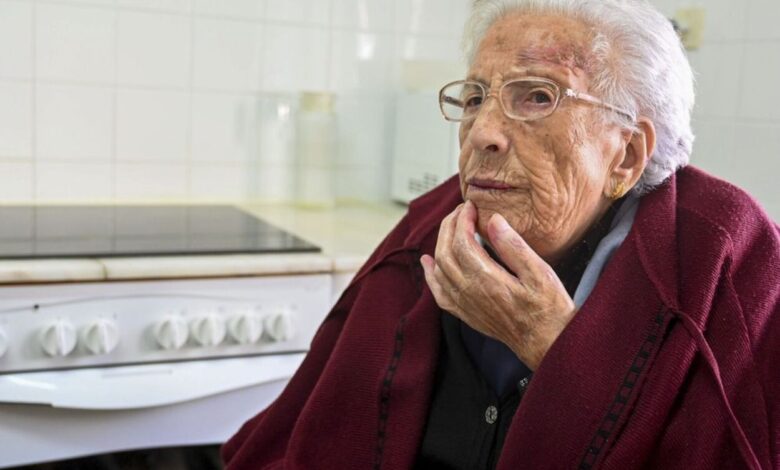
Andalusia is facing a critical situation in providing assistance to people with dependencies. In 2025, 6,784 people died here without ever receiving an assessment or any form of support. Of these, 5,486 were never officially recognized as dependent, and 1,298 were entitled to help but never received it. This accounts for nearly one-fifth of all such cases nationwide, and is a thousand more than the previous year.
The average waiting time in the region is 512 days—almost a year and a half. That is 166 days longer than the Spanish average and three times the legal maximum. These figures point to a profound crisis in the support system for dependent individuals in Andalusia.
Growing pressure
The number of elderly residents in Andalusia is steadily increasing. Over the past year, the population over 65 grew by 45,173 people, an increase of almost 3%. This means not only more requests for assistance, but also a rise in the number of people with limited mobility and chronic illnesses.
The system simply cannot cope with the volume of requests. According to experts, without additional funding and expanding staff, the authorities will only be able to process new applications, without reducing the existing backlog. Meanwhile, demand keeps rising, but resources remain unchanged.
Personal stories
The situation becomes particularly dire when it involves real people. For example, the mother of Lucas Barrero, who suffered from a rare disease and was classified as having third-degree dependency, waited an entire year for assistance after applying in 2020. When the family requested a reassessment in 2023, they received no response—the woman passed away in February 2025, never having received support.
Regional authorities have attempted to reform the system to accelerate the application review process. However, in practice, the changes have only worsened the situation for many families, who now face even more bureaucracy and a lack of feedback.
The scale of the problem
Andalusia leads Spain in the number of applications for assistance—446,477 out of 2.3 million nationwide. The coverage rate is 92.5%, but behind these figures are tens of thousands of people who have not received support. More than 25,000 have the official right to help but did not get it, and over 41,000 are still waiting in line—this is the highest number after Catalonia.
The waiting time here is the longest in the country. The number of people who died while waiting is also record-setting, second only to Catalonia. Particularly alarming is the fact that most of them were never assessed, highlighting a major failure at the very first stage of the process.
Financial deadlock
Experts are convinced: without urgent funding increases, the region will not be able to meet the legally mandated application review deadline of 180 days. For 2026, €2.61 billion has been allocated to support dependents, which is just over 5% of the regional budget. However, part of these funds is diverted to other needs, and the actual share of investment in the support system has only grown from 0.78% to 1.13% of GDP over eight years.
Civil society organizations are demanding an increase in funding to 2% of GDP and the launch of a special support program through 2029. In their view, this is the only way to protect the elderly and reduce the number of tragic cases where people die before receiving assistance.