In the small village of Arcenillas in the province of Zamora, discussions about old paintings and mysterious thefts have long become part of everyday life. Here, among 450 residents, people still talk about the night of November 22 to 23, 1993, when four unique altarpieces disappeared from the local church. These works of Gothic art, created at the end of the 15th century, were the village’s pride and an object of desire for collectors around the world.
More than thirty years have passed since then, but there is still no trace of the stolen masterpieces. Names of notorious thieves are mentioned in conversations, among them the legendary Erik el Belga, as well as theories about what happened to the missing works. Some are convinced the altarpieces are securely hidden; others fear they may have been destroyed to cover up the crime.
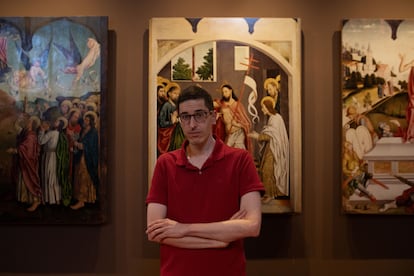
Inside the church, 11 original and 4 replica pieces of the lost works are still preserved. They are attributed to Fernando Gallego, a master whose creations are considered some of the finest examples of Spanish Gothic art. Scenes from the life of Christ painted on these panels once adorned the altar and side walls, captivating visitors. Now, though, some of these spaces display only replicas, while the true relics seem to have vanished into history.
The history of these retablos dates back to the 15th century, when they were created for the Zamora Cathedral. Later, in the 18th century, changing artistic tastes led to their transfer to Arcenillas. Over the centuries, part of the collection was lost, but most of it survived into the 20th century. Local residents have always regarded these works with special reverence and, even in difficult times, refused to sell them.
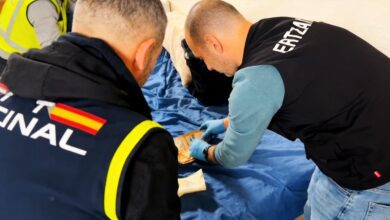
After the 1993 theft, the search never stopped. Interpol and the national police were notified, but none of the leads produced results. Some experts believe that, due to the retablos’ notoriety, it would have been impossible to sell them on the black market, and that the criminals may have gotten rid of them. Others still hope that they will someday turn up in a private collection or museum.
Over the years, individual panels from this ensemble have been found in museums in Zamora and Asturias, as well as in private hands. However, the four stolen works have never been recovered. Locals still recall that night with anxiety and sadness, but they remain hopeful that one day their cultural heritage will return home.