The situation in Robregordo reflects the sharp demographic changes affecting Spain’s small towns. For locals, this is more than just statistics— the disappearance of native residents and the transformation of village life directly impacts the future of their regions, their economies, and their cultural identity. Robregordo, located less than an hour from Madrid, is a clear example of how migration and internal population outflow are reshaping local communities.
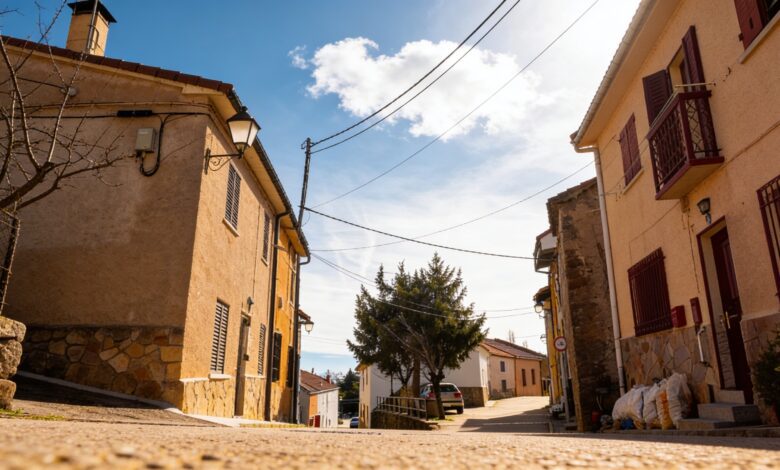
The heart of the village is enveloped in silence, and calle del Real, once lively, is now almost deserted. According to El Pais, of the 96 registered inhabitants only a third actually live here year-round. You might go an entire week without seeing a neighbor, and the only gathering spot is the bar run by Sofian, a young Moroccan. Even he admits that survival here is tough. Local pensioners like Antonio Casanov and his wife Juliana rarely see any neighbors. Their days are spent awaiting the rare event, and conversation is limited to chance encounters.
The demographic crisis in Robregordo is not new for the region. Over the past year, there have been six funerals here, but thanks to newcomers the population is not falling catastrophically. Migrants now make up 28% of the residents, and among the new faces are not just foreigners but also people from Madrid, tired of city life. Nine different nationalities live in the village, from Morocco and Senegal to Ukraine and Italy. As El Pais points out, almost none of the current residents were born here.
A new chapter and change
The mayoral post has been taken by Marisol Herreño, originally from Colombia, who, according to her, became the first foreigner to hold this office in Spain. She won the 2023 election with the support of migrant voters whom she personally persuaded to back her candidacy. Previously, she lived in Getafe and was unfamiliar with the village. Local politics now revolve around integration and efforts to foster dialogue between different groups. Herreño believes that only through joint projects and social housing can life in the village be maintained.
In the past, Robregordo was known for conflicts between families and frequent changes in leadership: in 1994, five mayors changed over eight months. Stability only came with the socialist Óscar Monterrubio, and now Herreño faces the challenge of uniting people with different views and habits. New symbols are appearing in the village: a mural of a local resident and a Dominican woman on the walls, and messages expressing discontent with newcomers on fences. Neighborly relations do not always go smoothly, and integration remains difficult.
Housing and Work
Robregordo also attracts those looking for affordable housing: renting a house here costs less than 500 euros. However, finding available accommodation is difficult — many owners prefer to keep their homes closed rather than rent them out to newcomers. New residents like the couple Javier and Beatriz, who moved from Madrid’s San Blas district in search of peace and quiet, note that locals are reluctant to accept outsiders. There are hardly any jobs: according to the Mobility Atlas, only nine people are officially employed in the village, all of them temporary municipal workers. The only permanent resident is the gardener.
Attempts to start a business are met with distrust and closed doors. Javier and Beatriz admit they do not plan to stay here forever: harsh winters and a lack of prospects force them to think about the future. Many newcomers do not stay long, and local retirees increasingly feel isolated. Juliana recalls a time when village life was vibrant, but now is left waiting for Sunday church services.
Loneliness and change
Priest Antonio Alba, the last of the new residents, arrived from central Madrid. Now he holds services for three people instead of three hundred. He notes that loneliness in such places is often imposed by circumstances, not by choice. According to him, the world around has changed, and the village is no longer what it once was. Long-time residents like Antonio Casanov were not born here either: he came in 1968 through job placement, when a group of railway workers was sent to the village. Back then, a new wave of migration brought life into Robregordo, but today the situation is different.
A similar situation can be seen in other Spanish villages, where migration has become the only way to maintain the population. For example, in Grazalema, after a large-scale evacuation and an exodus of residents, the authorities allocated funds for restoration and infrastructure, which allowed the town to start anew. You can learn more about such changes in the article on the restoration of Grazalema after the mass departure.
In recent years, small towns across Spain have increasingly faced the disappearance of native residents and the need to integrate newcomers. Authorities in various regions are experimenting with social rental programs, support for small businesses, and cultural initiatives to revitalize village life. However, the success of these measures depends on how willing locals are to accept change and on the economic prospects for new residents. In some cases, like Robregordo, migration is the only chance for survival, but it does not guarantee the return of the village’s traditional atmosphere and customs.