In recent years, Murcia has seen a noticeable shift in its approach to tourism development. Authorities and residents of the region’s inland areas have focused on natural resources to draw attention to sparsely populated territories. The blooming of agricultural crops has become not only a spectacle, but also a tool to stimulate the local economy, preserve traditions, and support residents. This decision has already paid off: the flow of tourists has increased, and interest in the inland regions of Murcia is on the rise.
Agriculture plays a key role in the region’s economy, accounting for a significant share of its income. However, in recent years it has become clear that traditional methods alone are not enough for sustainable development. In response, municipalities such as Cieza, Mula, Moratalla, and the towns of Valle de Ricote have started using seasonal bloom events to create new tourist routes and activities. According to El Pais, this initiative has not only attracted visitors, but also helped preserve cultural heritage and breathe new life into local communities.
New routes
In 2025, Murcia recorded a one-third increase in domestic tourism compared to the previous year. This surge is attributed to the launch of a special program uniting the region’s four main blooms: almond, stone fruits, citrus, and aromatic plants. Travelers were offered a ‘bloom passport’—a kind of diary to fill out while visiting various cities in the region. The idea quickly caught on, and the number of people eager to see the blooming fields exceeded organizers’ expectations.
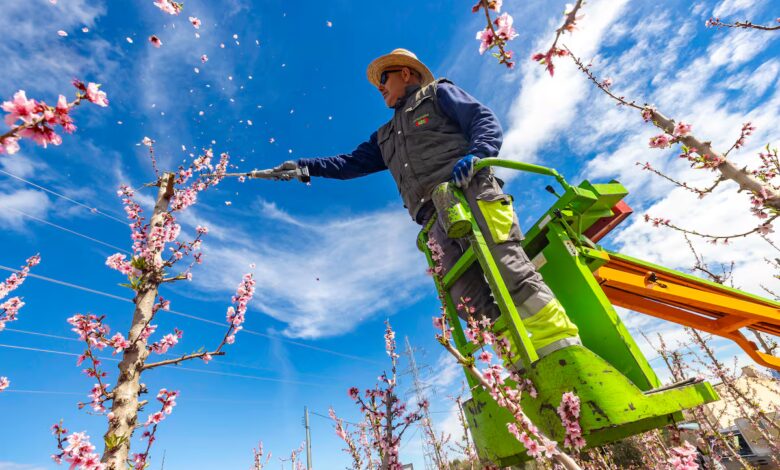
In Cieza, famous for its peaches, nectarines, plums, and apricots, orchard blossoming has been a tourist attraction for more than a decade. Last year, about 60,000 visitors came during the blooming season alone, nearly twice the town’s population. Guests are offered guided walks, culinary workshops, family activities, and creative sessions. This approach helps to manage tourist flow and make visits comfortable for everyone involved.
Economy and Change
Mula, a neighboring town, has also decided to keep pace. Here you’ll find the largest area in Spain covered by almond trees—about 21,000 hectares. The blooming starts as early as February, when the fields are carpeted in white and pink. Since 2023, Mula has hosted the MulaFlor festival, drawing up to 50,000 visitors in a month. Local farmers are leveraging this interest to develop new ventures: they open rural houses for tourists, offer guided tours, and tastings. This has become an additional source of income and a way to promote rural work.
In Moratalla, a region traditionally known for cultivating aromatic plants, the focus in 2024 has shifted to the lavender fields. During summer, the Lalavand festival takes place, combining cultural and musical events. Around 4,000 people visited the municipality over the year, and the festivities extend all the way to November. This approach helps avoid mass influxes and keeps interest in the area alive year-round. Thanks to this, abandoned houses have been restored, new businesses have opened, and jobs have been preserved.
Impact on Small Towns
In the Ricote Valley, where the four small towns of Ojós, Ulea, Ricote, and Villanueva del Río Segura are situated, they have joined forces for the first time to take part in the Blossom Route. The focus here is on citrus fruits, especially lemons. In spring, culinary workshops, essential oil and soap making classes, as well as guided tours and cultural programs are organized. This initiative has triggered the restoration of historic buildings and artistic heritage, with renovation projects underway in each town.
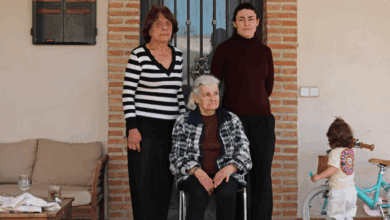
Many locals note that the influx of tourists benefits not only the economy but also social life. New cafés and shops are opening, and jobs are being created. In some cases, the population outflow has been halted and previously abandoned homes are coming back to life. According to El Pais, such projects are setting an example for other regions in the country, where efforts are also underway to revitalize rural areas.
In recent years, there has been growing interest in agritourism and eco-routes in Spain. Across different regions, new festivals are emerging dedicated to the blooming of almond, cherry, or lavender. For example, in Andalusia and Catalonia, such events attract thousands of visitors annually. In 2024, Valencia saw a record number of tourists coming to see the blooming orange groves. These initiatives not only support the local economy but also help preserve unique landscapes and traditions.