A new round of internal conflict is brewing within Spain’s Socialist Party (PSOE). Transport Minister Óscar Puente has once again sharply criticized former party ally Eduardo Madina, sparking a wave of debate and dissatisfaction among fellow party members. The focus has shifted not only to personal disagreements but also to the overall atmosphere of tension engulfing the party amid a series of scandals.
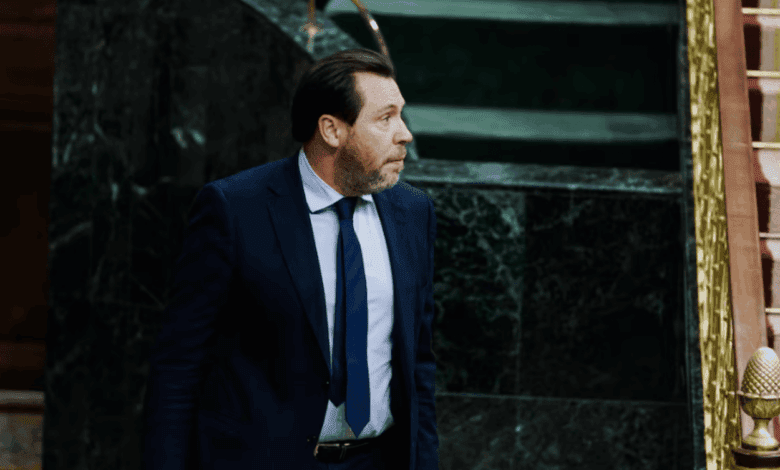
It all began with Puente’s comment on the social network X, where he addressed Madina in rather harsh terms. The minister accused the former deputy of having lost his influence long ago and now only airing grievances on radio talk shows. According to Puente, Madina was once considered the great hope of Spanish socialism, but now, in his view, has become just another commentator without a platform of his own.
Escalation of tensions
The reason for such a sharp reaction was Madina’s remarks on a radio station, where he stated that today’s main problems are not in the government, but within the party itself. He openly mentioned cases of corruption, legal battles, and allegations of sexual harassment that, in his opinion, are undermining trust in the PSOE. Madina stressed that the crisis has affected the party itself, not the cabinet of ministers.
Puente, for his part, did not stay silent. He recalled his 37 years in the party and accused Madina of betrayal and a lack of loyalty, especially during difficult times for the socialists. The minister stressed that such statements only worsen the situation and sow discord among like-minded colleagues.
Madina’s Position
Madina himself, who left active politics back in 2017, now works at a consulting firm and occasionally serves as a political commentator. Despite this, he remains a member of the PSOE, although he does not plan to return to mainstream politics. In his remarks, Madina insists that his criticism is not directed at the party, but at issues that, in his view, demand urgent solutions.
Puente, on the other hand, argues that the majority of party members and supporters do not share Madina’s pessimistic outlook. According to him, neither the rank-and-file socialists nor voters feel that the current political cycle has ended or that the party has lost support.
Internal Party Disputes
Debate over the PSOE’s future political course has intensified amid recent scandals involving corruption and harassment allegations. Despite this, party leadership and the country’s president are not considering early elections. However, criticism of Prime Minister Pedro Sánchez is increasingly being voiced within the party, particularly regarding how he responds to crises.
Public disputes between Puente and other representatives of the socialists are becoming increasingly visible. The minister has repeatedly engaged in heated arguments with fellow party members, including Emiliano García-Page. His manner of communication on social media has sparked mixed reactions both among colleagues and internet users.
Public reaction
Internal party disagreements and open conflicts in the public sphere reflect a growing tension within Spanish society as a whole. Recent studies indicate that polarization and distrust toward political institutions continue to rise. In these circumstances, even minor disputes between prominent figures can escalate into wide-ranging debates, impacting not just party dynamics but national interests as well.
The situation within the PSOE remains tense, and the party’s ability to reach a compromise and restore internal unity amid mounting challenges will largely determine how events unfold.