Spain’s internal political crisis has once again taken center stage as disagreements between the government’s coalition partners led to a drawn-out Council of Ministers meeting. For Spaniards, this means continued uncertainty over rental regulations and tax policy, directly affecting household budgets and the cost of living.
Tensions rose when Sumar representatives refused to participate in the talks, demanding that a rent freeze be included in the anti-crisis measures package. As a result, the Council of Ministers was stalled for several hours, and key decisions to support the public were postponed. According to russpain.com, such delays could slow down the adoption of measures crucial for citizens and further undermine trust in the authorities.
Coalition discord
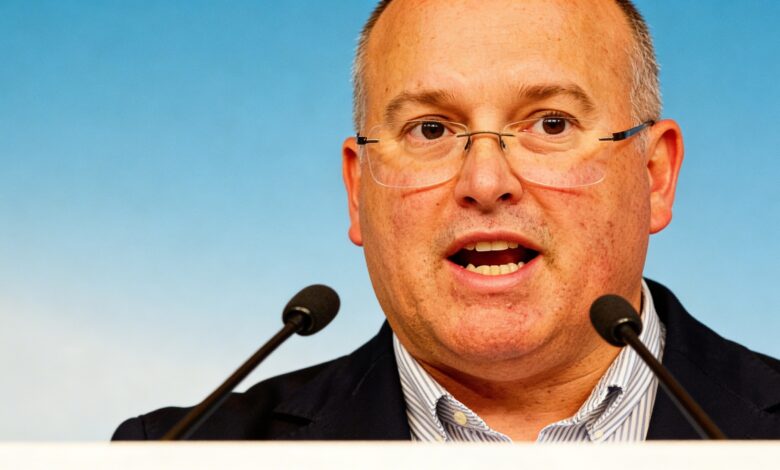
Tensions are rising within the government: some ministers insist on social protection for renters, while others prioritize tax relief. According to the opposition, the current crisis highlights the coalition’s inability to form a unified stance even on issues directly affecting millions of Spaniards. Representatives of Partido Popular (PP) openly question the government’s effectiveness and are calling for early elections, arguing that the current cabinet cannot ensure stability.
Particular attention was drawn to the adoption of two separate decrees: one provides for a reduction of VAT on electricity and fuel, while the other freezes rental rates. Partido Popular notes that the first document largely repeats their own proposals, which had previously been criticized by the government. Now that these measures are on the agenda, the opposition is in no hurry to announce its support, preferring to wait for the final text to be published in the BOE and to study it carefully.
Opposition response
PP emphasizes that they do not intend to support initiatives related to freezing rental rates, viewing them as excessively left-leaning. At the same time, they are willing to consider tax reduction proposals if they prove beneficial for the public. However, party representatives express distrust toward the government and demand transparency in decision-making. In their view, the current crisis is yet another sign of deep divisions within the coalition that hinder effective governance of the country.
As a result, instead of the expected economic support, Spaniards have witnessed a political spectacle that many say resembles a reality show more than the work of responsible public officials. Partido Popular believes that such a situation is unacceptable and insists on the necessity of holding new elections to overcome the political deadlock.
Consequences for citizens
For residents of Spain, the prolonged dispute between ministers means a delay in decisions that could ease the financial situation of families and businesses. With rising energy prices and rental costs, the postponement of support measures has become especially noticeable. Many experts point out that crises like this have repeatedly led to decreased trust in the government and growing protest sentiment.
Looking back at recent events, it is worth noting that internal conflicts within Spanish parties are not uncommon. For example, after disappointing election results, the left also faced serious disagreements over leadership changes and strategy. This was covered in detail in an article about the struggle for leadership and disagreements over timing within the left-wing parties — details on recent disputes within left-wing forces.
Overall, political instability and the absence of consensus among key players continue to impact the economic and social situation in the country. Spaniards are increasingly affected by the consequences of prolonged negotiations and delayed decisions that could significantly change their daily lives.
In recent years, Spain has repeatedly faced situations where internal disagreements within the government have led to delays in making important decisions. For instance, in 2024, a similar crisis arose over labor law reform, triggering mass protests and a temporary suspension of several social programs. Such episodes highlight how fragile the balance of interests can be in coalition governments and how quickly political disputes can escalate into major public debates.