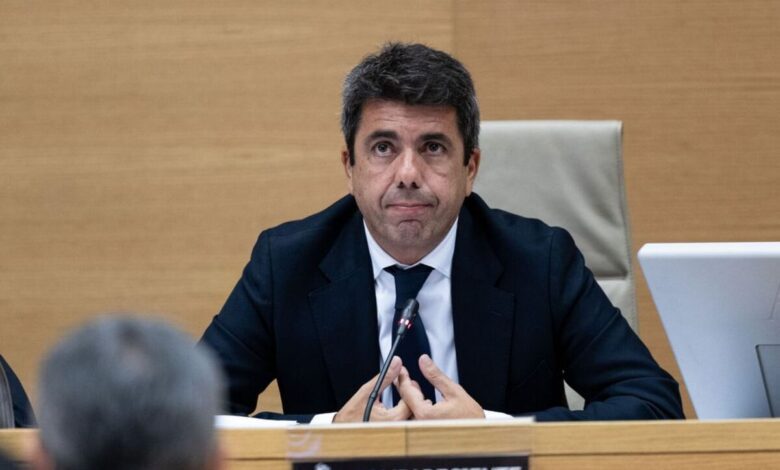
On the evening of October 29, 2024, a dramatic incident unfolded in Valencia that is still being discussed in governmental circles. The then head of the regional government, Carlos Mazón, received a message on his phone that, as it has now emerged, became one of the pivotal moments in handling the emergency. Forty-five minutes before the mass Es Alert was triggered across the province, his closest ally, Secretary for Presidential Affairs Cayetano García, warned him: “There will be a lot of casualties.”
This short but telling message became part of an official notarial record, which includes all correspondence between García, Mazón, and other top officials, among them the former head of emergency services Emilio Argüeso. The document is already in the hands of investigators led by Judge Nuria Ruiz Tobarra of Catarroja (Valencia).
At 19:20, García sent Mazón the first message: “Everything is ready.” He then forwarded a plan detailing possible support measures, subsidies and even the option of declaring a disaster zone. It took nearly an hour for the head of government to reply. Only at 20:13, after the alert had already been sent to residents’ mobile phones, did Mazón respond briefly: “Well prepared. We’ll discuss later.”
A closer look at the crisis
At the moment when García sent his first message, Mazón had just seen journalist Maribel Vilaplana off at a downtown Valencia parking lot. They had spent almost four hours together over lunch. Just a few minutes after the mass alert was sent out, García informed Mazón again: “Alert sent.” The reply was brief: “Yes.” After that, the adviser offered his help: “Do you need me to go anywhere?” Mazón declined: “No.”
As it turned out, this entire exchange became a crucial part of the investigation. It reveals exactly how decisions were made in the midst of the disaster, and who was actually in control. Yet some questions remain: why was the reaction to such alarming messages so restrained? And why did nearly 45 minutes pass between the first warning and the alert being issued?
Behind the scenes of the response team
Other details also surface in the correspondence. For example, former emergency director Emilio Argüeso informed García as early as 12:17 p.m. that he had already arrived at the 112 emergency call center. That day, more than 20,000 calls came in there. By 19:05, after the waters from Barranco del Poyo had flooded towns like Catarroja and Paiporta, García asked Argüeso for updated data from the Requena area: “Is there information on victims in Requena?” The reply was short: “Listening.”
These messages reveal not only the bureaucratic routine but also the tense atmosphere that prevailed that day. Officials exchanged brief, almost telegraphic phrases in an effort to stay on top of developments. Yet despite their swift response, a sense of impending disaster lingered among everyone involved in the correspondence.
Questions for the authorities
Now that the details of these exchanges have become public, the leadership of the autonomous community faces numerous questions. Why were such critical decisions made behind closed doors? Why was the response to alarming signals so restrained? Did bureaucratic procedures really take precedence over human lives?
For now, those questions remain unanswered. The investigation is ongoing, and the public is closely monitoring every new revelation that emerges. One thing is certain: the events of that day will be discussed in Valencia and beyond for a long time to come.