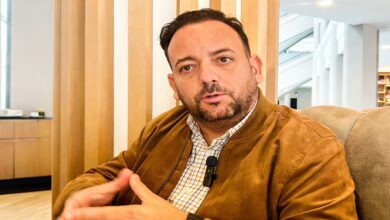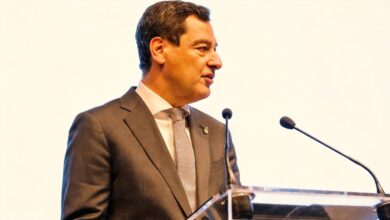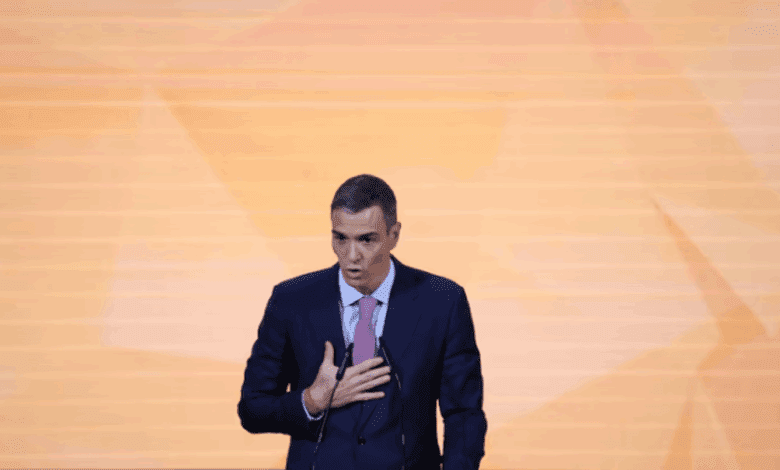
A new round of confrontation is brewing in Spanish politics: following the arrest of several key figures close to Pedro Sánchez, the opposition Popular Party (Partido Popular, PP) claims that criminal prosecution of the Prime Minister himself is inevitable. At the center of the scandal are former high-ranking socialists José Luis Ábalos, Santos Cerdán, and ex-adviser Koldo García, all accused of corruption. According to PP representatives, if these individuals are already behind bars, Sánchez—considered the ‘fourth’ in this chain—will inevitably share their fate.
There is a sense of anxiety within PSOE (Partido Socialista Obrero Español), but not because of any threat of criminal prosecution against their leader. The main concern is the political damage the scandal may cause. Shortly before his arrest, Ábalos gave several interviews in which he discussed details of the case, further escalating tensions within the party. Party members acknowledge that the reputational damage is severe, but see no legal grounds for prosecuting Sánchez.
Corruption trail
Unlike former PP treasurer Luis Bárcenas, who openly confessed to crimes within his party, Ábalos denies any wrongdoing and refuses to cooperate with the court. His statements have been limited to media comments, not official testimony. Within PSOE, the matter is viewed as a political crisis, not a legal threat to Sánchez.
Among regional and parliamentary representatives of the Socialists, it is nearly impossible to find anyone who would directly accuse Sánchez of knowing about or approving his subordinates’ actions. Few believe there is a ‘slush fund’ or illegal financing within the party. The most common theory is that the accused may have used party funds to legalize personal income, issuing fake checks and receipts that went unchecked.
Intraparty atmosphere
Within the party, an environment has developed where no one asks superiors uncomfortable questions. If someone from the team—such as Koldo García—submits an expense reimbursement, nobody suspects wrongdoing. However, outside the president’s inner circle, he is often criticized for his poor choice of allies and for ignoring rumors of potential misconduct, especially in the case of Ábalos.
Even Sánchez’s critics within the PSOE are reluctant to accuse him of creating a ‘mafia-like structure’ or organizing illegal financing. Such accusations come only from the opposition. PP leader Alberto Núñez Feijóo recently repeated at a rally in Madrid the claim that this is a ‘disgrace’ for the Socialists and called on their supporters not to accept what is happening.
Rally in Madrid
The mass rally organized by the PP near the Templo de Debod in Madrid drew tens of thousands of people. Estimates of the turnout ranged from 40,000 to 80,000. Feijóo seized the opportunity to deliver a sharp critique of Sánchez and his allies, and also called on other parliamentary parties to reconsider their support for the current government.
The PP leader paid special attention to Vox, reminding them of the need for unity against a common opponent. He also questioned the Socialists, asking how much more ‘shame’ they were willing to endure to stay in power. These remarks provoked irritation among the Socialists, but have not yet sparked an internal rebellion against Sánchez.
Reaction and consequences
PSOE leadership is closely monitoring the opposition’s rhetoric, especially Feijóo’s attempts to influence Catalan and Basque parties, whose support is crucial for a parliamentary majority. Issues of corruption and the leader’s accountability remain the main tools of pressure on the government.
Despite the strong statements, the Socialists remain convinced there is no legal basis for prosecuting Sánchez. However, the political crisis and internal divisions within the party are becoming increasingly apparent amid ongoing scandals and public accusations.