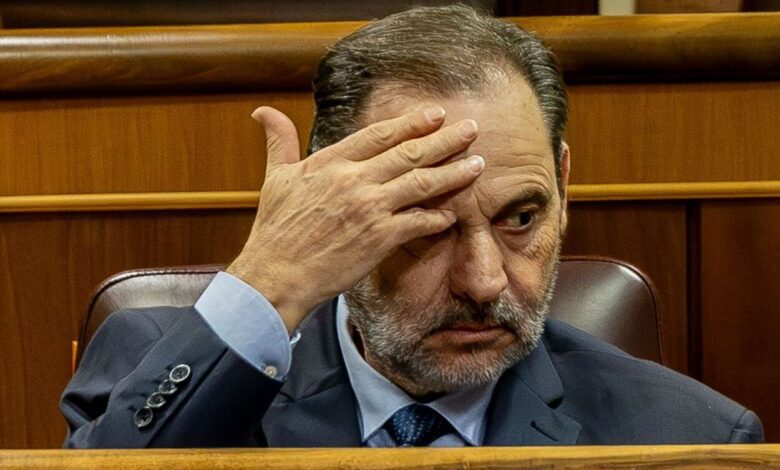
A new conflict is erupting in Spanish politics: José Luis Ábalos, the former minister and a key figure in the socialist party, has found himself at the center of a high-profile investigation. Currently held in Soto del Real detention center near Madrid, Ábalos remains politically active even behind bars. He has submitted an official request to the Bureau of Congress, demanding a review of the decision to suspend him from parliamentary duties, made on December 10. Ábalos insists his rights were revoked prematurely and without sufficient grounds, arguing that his appeal against the arrest is still pending before the Tribunal Supremo.
In his letter, Ábalos claims the parliament’s decision was not only hasty but also dangerous for the entire system. In his view, imposing such measures before judicial proceedings conclude undermines the foundations of democracy and the principle of equality. He is demanding reinstatement of his rights at least until January 15—the date when the Tribunal Supremo is scheduled to consider his appeal against detention.
Defense Arguments
The former minister went beyond formal statements. In his appeal, he harshly criticizes parliament’s actions, accusing colleagues of violating fundamental principles: respect for procedure, separation of powers, and equal treatment of all deputies. According to Ábalos, such decisions erode trust in institutions and cast doubt on the impartiality of representative democracy as a whole.
He emphasizes that his suspension not only violates his personal rights but also damages the reputation of parliament. The letter expresses clear dissatisfaction with how quickly and without regard for potential consequences such a serious decision was made. Ábalos is convinced that until a final court verdict is issued, no one has the right to strip him of his status as an elected official.
Parliament’s response
The Bureau of Congress did not hesitate: on December 10, deputies voted by majority to suspend Ábalos. The basis for this was the Supreme Court’s confirmation of his status as a defendant in several serious cases—namely, involvement in a criminal organization, bribery, and embezzlement of public funds. Following this, the former minister automatically lost his right to vote, his salary, and his social benefits, as required by Article 21.2 of the Congress regulations.
The parliamentary decision sparked a storm of debate in political circles. Some argue that the law should be the same for everyone and parliamentary status does not grant immunity from prosecution. Others believe that such hasty measures could set a dangerous precedent, allowing political opponents to be removed through formal procedures before a final court verdict is reached.
Questions of fairness
Abalos himself has not hidden his disappointment, calling his suspension a direct violation of democratic standards. In his view, parliament has a duty to uphold the presumption of innocence and not to give in to pressure from public opinion or political opponents. In his letter, he stresses that such decisions risk undermining trust not only in individual politicians, but in the entire system of government.
At the same time, many observers note that the Abalos case has become a litmus test for Spanish democracy. On one hand, the public demands transparency and a tough response to corruption. On the other, there is a risk that the fight against crime could turn into a witch hunt, where anyone inconvenient can be removed on formal grounds.
What’s next
The fate of the former minister now depends on the decision of the Supreme Court, which is set to hear his appeal on January 15. Until then, Abalos insists on having his rights restored, arguing that only this can maintain the balance between fighting crime and protecting democratic procedures. However, even if the court rules in his favor, Abalos’ political career has already suffered a serious blow.
The situation surrounding the former minister has become a real test for Spanish institutions. Whatever the outcome, this case will surely go down in history as an example of how fragile the balance between law, politics and personal ambition can be.