The question of former King Juan Carlos I’s return has once again become a focal point in Spanish society. The reason is his demand to return specifically to the La Zarzuela residence, a move sparking heated debates and potentially shifting public perception of the monarchy in Spain. Resolving this issue touches not only on the personal fate of the ex-monarch but also on the image of the entire royal family and citizens’ attitudes towards the crown as an institution.
The main obstacle
La Zarzuela is not just a house, but a symbol of authority and the official residence of the head of state. Following a series of scandals involving Juan Carlos I, the authorities and the royal family agreed that he would no longer spend the night in state residences, so as not to harm the monarchy’s reputation. This condition was set forth by current King Felipe VI and, though not without internal resistance, accepted by the former king.
Since 2020, Juan Carlos I has lived in Abu Dhabi, traveling to Spain only for brief visits. Each time, he returns abroad without staying in Madrid, despite his age and exhaustion. According to El Pais, returning to La Zarzuela has become a matter of principle for him—he is unwilling to consider alternative accommodations.
Financial difficulties
The second major obstacle is economic. After moving to the UAE, Juan Carlos I lost his status as a Spanish tax resident, freeing him from paying taxes and explaining his sources of income. All investigations into possible financial misconduct were closed, and his pension and official payments were discontinued. If the former king decides to live in Spain, he will once again have to become a taxpayer and disclose his sources of funding, including expenses for flights and living costs.
The possibility of his return also depends on whether he can legally receive income aside from royalties for his memoirs. The option of a new state payment is under discussion, but the amount would not cover his former standard of living. In addition, any attempt to transfer funds from abroad may trigger new inspections.
Plans and reactions
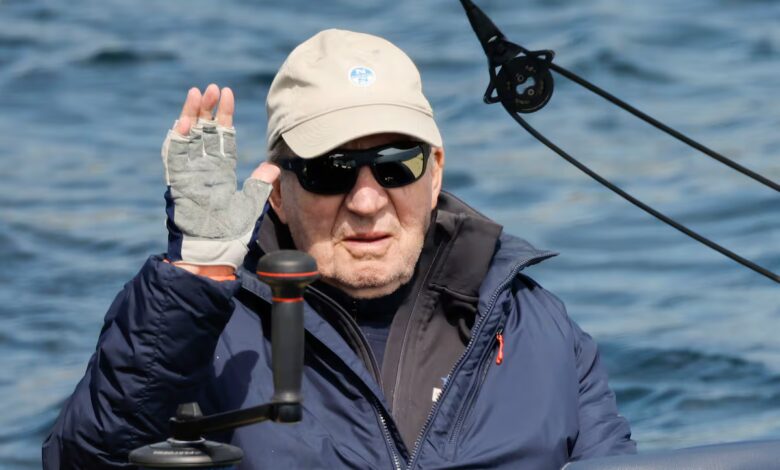
For now, Juan Carlos I does not plan to return to permanent residence. He has informed La Zarzuela of his intention to visit Spain monthly from March through autumn to take part in regattas and meet with friends. Such visits do not require changing his tax status, as long as they do not exceed 183 days per year.
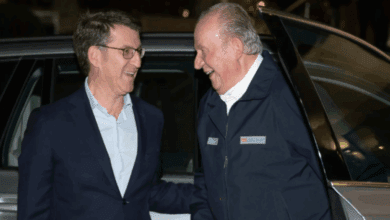
Discussion about the former king’s return has intensified after a statement from People’s Party leader Alberto Núñez Feijóo, who called for Juan Carlos I to be allowed to spend his final years in his homeland. According to El Pais, before publishing this appeal, Feijóo consulted with the royal family.
Context and consequences
The issue of former leaders returning to their homeland always sparks heated debate in Spanish society. In recent years, similar situations have arisen involving other prominent figures connected to state institutions. Each of these cases prompts discussion about the role of tradition, responsibility, and governmental transparency. Such events influence public opinion and shape new expectations for public figures.