In recent months, Jumilla has drawn attention due to changes affecting the religious life of local Muslims. For many people in Spain, this situation has highlighted questions of identity and freedom of religion, even in small towns. Decisions taken at the municipal level have already impacted the daily lives of hundreds of families and could set a precedent for other regions of the country.
Restrictions and aftermath
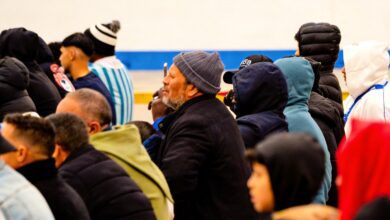
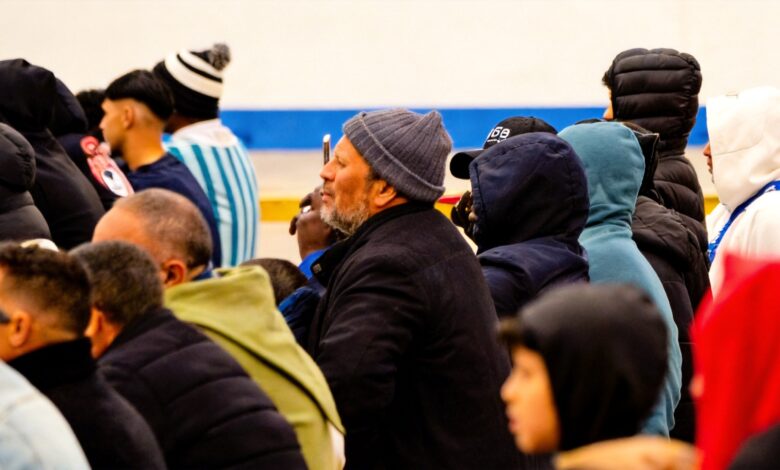
This year, about 1,500 Muslims in Jumilla were forced to give up their usual place for group prayer. After the authorities banned the use of the sports complex for two major religious holidays, the community was left without a permanent prayer space. According to El Pais, the decision was made under pressure from political groups advocating for local traditions to take priority. As a result, Muslims held their festive prayer in the parking lot next to the municipal pool, while women and children gathered near the police garage.
Many participants noted that the conditions were far from usual: a lack of cleanliness, open space, and a sense of impermanence. Some Jumilla residents saw such a ceremony outdoors for the first time, even though it has taken place here for more than ten years. Authorities stated that they provided a temporary venue to avoid conflict, but could not guarantee it would be available in the future.
Politics and public response
The situation in Jumilla is the result of political decisions made after summer debates about identity and traditions. The local administration, supported by certain parties, introduced changes to the rules for using municipal facilities. This coincided with a rise in anti-Islamic sentiment, which intensified after incidents in other cities in the region. According to RUSSPAIN.COM, such measures could lead to further restrictions on the rights of religious minorities.
Earlier, similar restrictions were introduced in Torre Pacheco, sparking a wave of debate in Murcia. In Jumilla, the decision was accompanied by concerns over possible conflicts and the authorities’ reluctance to confront radical political forces. Former Jumilla mayor Juana Guardiola expressed regret that Muslims had to pray in uncomfortable conditions, despite there being no objective reason for the ban.
Society’s response and new realities
Many Jumilla residents reacted to the events with bewilderment. In cafes and on the streets, people discussed why the Muslim community could not access public spaces if they paid taxes like everyone else. Some noted that the scandal over religious holidays was inflated from outside and did not reflect the real sentiments of most residents.
As a result, the Muslims of Jumilla have been forced to hold their rituals in public view, making them more vulnerable. Community representatives say they are no longer certain whether they will even be able to use a temporary venue for the next celebration. According to El Pais, the fear of renewed conflicts and rising tensions has become a new reality for many families.
Context and similar cases
The situation in Jumilla is not unique in Spain. In recent years, several regions across the country have experienced disputes over the use of public spaces for religious purposes. For example, in Torre Pacheco similar restrictions sparked protests and discussions at the regional level. In other cities, Muslim communities have also faced challenges organizing mass prayers. Recently, Jumilla has already seen debate over moving prayers to a parking lot, which prompted new discussions about minority rights and the role of local authorities. Such cases show that issues of religious identity and integration remain relevant in today’s Spain.
In recent years, debates have intensified in Spain over balancing tradition with minority rights. In some regions, Muslim communities have faced refusals to access venues for religious events, leading to temporary solutions and rising tensions. Meanwhile, in other cities, authorities have reached compromises by allowing prayers in public buildings or open spaces. These developments highlight the challenges of respecting tradition while protecting the rights of all residents.