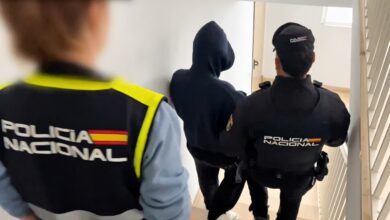
New legal standards have come into force in Spain, directly affecting the way complex drug trafficking cases are investigated. Following a recent Constitutional Court decision, law enforcement agencies and the prosecution now face additional restrictions when collecting evidence and conducting covert operations. This ruling has already raised concerns among experts, as it may make it more difficult to detect and disrupt major criminal schemes.
As El Pais notes, the changes impact not only procedural details but also the overall strategy for combating organized crime. Defense attorneys for suspects now have greater oversight over investigative actions, which complicates covert surveillance and wiretapping efforts. As a result, some experts believe the effectiveness of investigations may decrease and the resolution of complex cases could be delayed for months.
Nucífera Operation
A recent example is Operation Nucífera, carried out in Madrid. Officers from the Guardia Civil and Customs Control Service seized 625 kilograms of methamphetamine hidden in a warehouse in Arganda del Rey. The shipment, disguised as a consignment of coconut oil, arrived from Mexico in February. During the operation, five people were arrested, four of whom are already in custody. Among them is a suspect known in criminal circles as Notario, who was responsible for overseeing the delivery of the goods.
According to El Pais, such operations require lengthy preparation and strict secrecy. However, new legal requirements force investigators to disclose some information to the defense at early stages, which can lead to leaks and disrupt operations. Prosecutors and police warn: if this trend continues, organized groups will be able to adapt more quickly to new conditions and evade responsibility.
Legal challenges
A Constitutional Court ruling has strengthened suspects’ rights to defense, but has also raised concerns about the effectiveness of anti-drug efforts. Now, lawyers can demand access to case materials almost from the moment of arrest, which limits the scope for covert investigative actions. As a result, according to russpain.com, law enforcement agencies are having to revise their working methods and seek new approaches to evidence gathering.
In similar cases, such as the closure of the case against the owner of Hawkers, courts have already shown caution regarding the admissibility of evidence obtained in violation of procedural norms. More details on such rulings can be found in the article about an unexpected turn in the PDVSA investigation in Spain— details via the link.
Consequences for the system
The current situation is sparking debates among lawyers and law enforcement officials. On one hand, strengthening protection guarantees aligns with European standards of justice. On the other, it could lead to an increase in unsolved cases and diminish trust in the system. Some experts believe it is essential to strike a balance between the rights of the accused and the effectiveness of investigations, to prevent a rise in crime.
In recent years, Spain has faced a growing number of major cases linked to international drug trafficking. The surge in cartel activity and the emergence of new delivery routes require law enforcement agencies to remain flexible and responsive. However, stricter procedural rules may complicate the fight against such threats, especially if criminal groups exploit legal loopholes to avoid liability.
Looking back at recent events, it is worth noting that Madrid has already seen disputes over police actions during arrests, and courts have repeatedly issued rulings that changed investigative approaches. Such cases highlight the importance of the system adapting to new challenges and finding compromises between protecting citizens’ rights and the need for effective crime control.