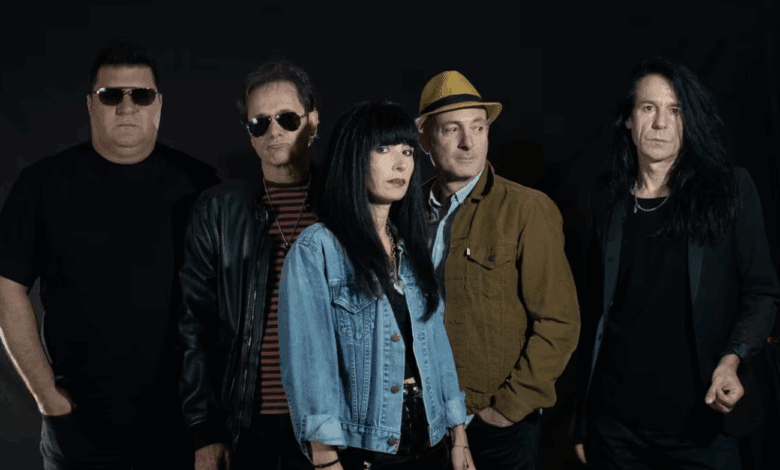
The return of Los Romeos after 30 years has become a significant event for the Spanish music scene. This is not just another attempt to play on nostalgia: the band, whose songs became the soundtrack for several generations, is back on stage to prove their music remains timeless. For many fans and young artists, this is a chance to see a living legend that has influenced the genre’s development in Spain.
Unlike many other bands, Los Romeos never disappeared from the music scene. Vocalist Patrizia Escoin continued to work on new projects, and the other members also stayed active in music. However, it is the iconic tracks like “Mi vida rosa,” “Muérdeme,” “Un poquito de amor,” and “Arañas mi piel” that brought the original lineup back together. These songs are still performed by young bands at concerts, and their energy and melodies remain relevant.
Influence on a new generation
Contemporary musicians such as Samantha Hudson and La La Love You openly express their admiration for Los Romeos. Not only do they cover their hits, but they also record joint versions, highlighting the continuity between generations. For example, the new version of “Muérdeme” with Samantha Hudson is already available, and La La Love You are preparing to release an updated “Mi vida rosa.” This proves that Los Romeos’ work continues to inspire and unite listeners across generations.
As El Pais notes, the group’s return became possible thanks to an initiative by drummer Julián Nemesio, who suggested reuniting the original 1990 lineup. The comeback proved timely: interest in the band was sparked not only by younger musicians but also by a proposal from the Subterfuge label to reissue their albums. Band members stress that they do not want to turn the tour into a commercial project aimed at the mass revival of groups from the ’80s and ’90s. They opted for a limited number of concerts in key cities and performances at relevant festivals.
The tour and new plans
The Los Romeos tour includes shows in Madrid, Valencia, Zaragoza, Barcelona, and Castellón, as well as an appearance at the Sonorama Ribera festival. This choice of venues highlights the band’s determination to remain at the heart of the current music scene, rather than simply repeating past successes. According to the members, their return is not solely driven by financial motives — staying relevant and not getting stuck in the past is important to them.
For now, the band has not confirmed the release of new material, but they do not rule out the possibility. Memories of their three albums released between 1990 and 1996 remain an important part of their story. Even their less successful third album, “Sin conexión,” allowed them to become the only Spanish band to open for James Brown. This event is still a source of pride for the musicians.
Changes and challenges
With their return to the stage, Los Romeos face new challenges. Vocalist Patrizia Escoin notes that performing old songs decades later requires a fresh approach: the voice changes, experience evolves, and emotions take on new shades. Nevertheless, the band isn’t trying to imitate the past but aims for an honest and contemporary sound. Rehearsals have shown that the chemistry between members remains, and audiences are anticipating fresh takes on familiar hits.
In recent years, Spain has seen a growing interest in the revival of iconic bands and the reinterpretation of musical heritage. Many groups from the ’80s and ’90s are reuniting for limited tours, while their music finds new life through young artists. The return of Los Romeos to the stage confirms this trend and highlights the importance of intergenerational dialogue in contemporary culture.
In 2025 and 2026, Spain already saw successful reunions of groups like Los Secretos and Hombres G, which also inspired young musicians to create new versions of classic songs. These events demonstrated that the country’s musical legacy continues to evolve and that interest remains strong. The comeback of Los Romeos further confirms that the Spanish scene is open to experimentation and new formats of collaboration between artists from different eras.