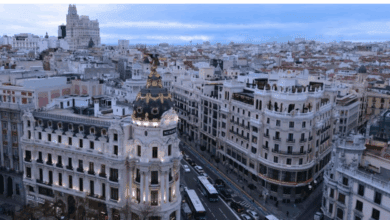
An exhibition has opened in Madrid that could change how we view the role of art in urban life. The display at the Guillermo de Osma gallery showcases how, in the 1980s, artists, photographers, and designers came together to create a unique cultural space. This event matters to Spaniards, as it highlights how creative energy can influence society and even the capital’s economy.
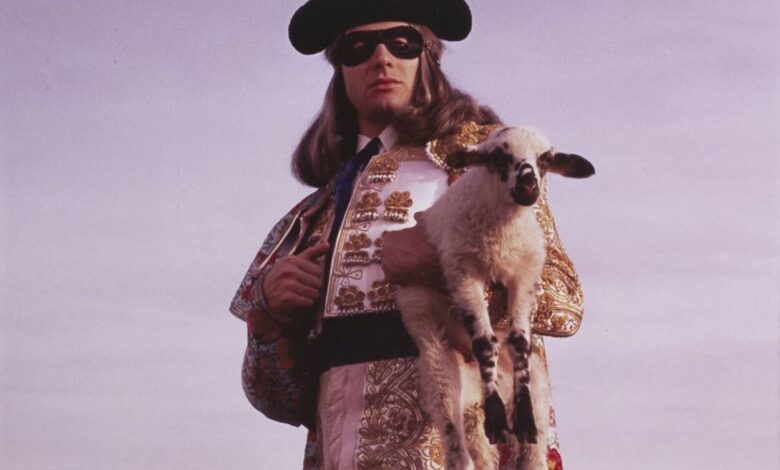
The spotlight is on around a hundred works, including paintings, photographs, and graphics. The exhibition features names that became symbols of the era: Carlos Alcolea, Costus, Manolo Quejido, Ana García Pan, Ouka Leele, Alberto García-Alix, and others. According to El Confidencial, the exhibit is divided into two parts: the first is already open and runs until April 10, while the second will begin on April 20 and end on June 26. Both segments are curated by Mariano Navarro, who himself witnessed the changes of that time.
The Energy of Change
Organizers emphasize: this is not about the Movida itself, but about the artistic figuration that emerged in those years. The period after the fall of the dictatorship in Spain became a time of searching for new forms and meanings. Artists drew inspiration not just from music, but also from poetry, fashion, and architecture. It was at this moment in Madrid that a special atmosphere emerged, when creativity stopped being divided by genres and directions.
The exhibition reveals how artists of the 1970s found a continuation in new names, with their works reflecting both critique and rethinking of the past. Gallerist Guillermo de Osma notes that it was during this period that figurative art became an alternative to the dominant abstraction. This was a challenge to established canons, leading to the emergence of ‘free and joyful’ painting.
Seven exhibition themes
The exhibition is divided into seven thematic sections. The first is dedicated to photography, showcasing iconic images by Alberto García-Alix, Ouka Lele, Jaime Gorospe, and Miguel Trillo. The next section, ‘The 70s in the 80s,’ tells the story of artists who transitioned from the previous decade, such as Alcolea and Guillermo Pérez Villalta. The theme of mythology unfolds through the works of Concha Gómez Acebo, Chema Cobo, and Miguel Ángel Campano, where biblical and mythological motifs intertwine with modernity.
The second part of the exhibition, opening in April, focuses on Movida itself and its provocative spirit. Here, you can see works by El Hortelano, Pablo Sycet, Ceesepe, and Javier de Juan. A special section features pieces that break conventional artistic boundaries—from Costus to Patricia Gadea and Javier Utray. Another section, ‘Return to Eden,’ is dedicated to nature and landscape motifs, reflected in the art of Carlos Forns Bada, Dis Berlin, and Juan Antonio Aguirre.
The market and collectors
Most of the works presented at the exhibition are available for purchase. Photographs are priced from 200 to 2,000 euros, while paintings range from 3,000 to 30,000 euros. Some artists, such as Ouka Leele or Alcolea, are valued higher. The gallery offers not only artworks but also a detailed catalog featuring essays by renowned critics and an exclusive interview with Alaska (María del Olvido Gara Jova), one of the key figures of the Movida.
Interestingly, exhibitions like this one have become not just a cultural but also an economic event for the city. Collectors and institutions are showing growing interest in works from this period, which shapes the market and sets new trends. In this context, it’s worth noting how the city’s rhythm is changing: for example, the recent rise in the popularity of bicycles in the capital, as covered in the article about new habits among Madrid residents.
Context and parallels
The emergence of a new artistic figuration in Madrid echoes the processes that took place in Europe during the 1920s and 1930s, when poets and artists joined forces to create new forms. In recent years, Spain has seen growing interest in exhibitions dedicated to local cultural phenomena. For example, retrospectives in Barcelona and Valencia have focused on urban subcultures and their impact on contemporary art. Such events not only attract the public’s attention but also promote domestic tourism and inspire new cultural itineraries.