Madrid is preparing to make a decision that could reshape education funding in the region. Regional authorities are considering extending contracts with private schools that receive public funding to 14 years. Currently, such agreements last 10 years, while in most other regions of Spain, they are limited to just 6 years. The proposal has already sparked lively debate among educators and parents, as it could affect the accessibility and development of public schools.
As El Pais notes, the initiative emerged following the appointment of Madrid’s new education chief, Mercedes Zarzalejo. Officials argue that the extension is needed to ensure stability for families and schools, and to enable long-term planning as student numbers decline. In their view, lengthening contract terms will streamline administration and standardize rules for different types of publicly funded educational institutions.
Stakeholder reactions
The plan has received a mixed response within the regional Education Council. Representatives of Catholic schools have backed the initiative, seeing it as a step toward greater assurance for parents and students. Meanwhile, unions and some parent associations have opposed it, fearing it could reduce the number of public school classes and make the system less flexible in responding to demographic changes.
According to the head of the FAPA Francisco Giner de los Ríos Federation of Parents’ Associations, extending the contracts does not match the actual needs of the system. She believes that the decrease in student numbers per class requires greater flexibility, not long-term commitments. Unions also warn of the risk that if demand for private schools drops, the state would still be obliged to continue funding them even with low classroom occupancy.
Arguments from both sides
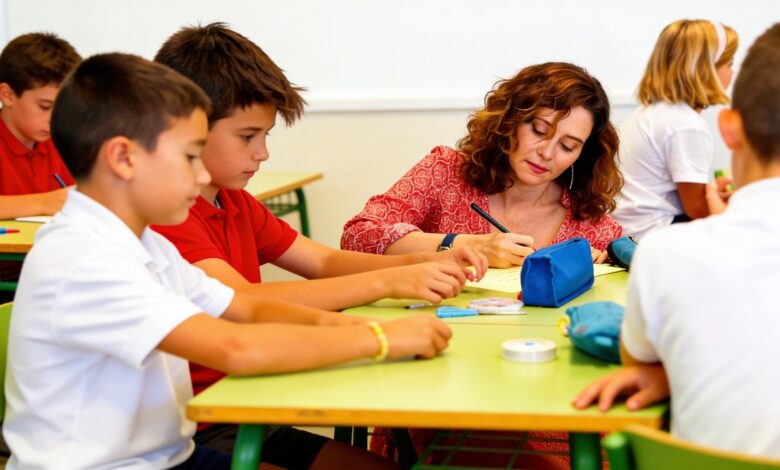
Supporters of the changes argue that extending the contracts will give schools and families greater confidence in the future. They believe this will help avoid frequent renegotiations and provide stability during structural changes caused by the demographic decline. Madrid authorities emphasize that the new measure will affect more than 550 educational institutions and around 350,000 students, and will also allow contract terms to be synchronized across different levels of education, including nurseries and vocational training.
Opponents of the initiative fear that long-term agreements will limit the state’s ability to respond quickly to shifts in demand and will guarantee funding for private schools even as student numbers drop. They note that while public schools close classes when enrolment is low, private schools keep their funding throughout the contract’s duration. In their view, this could undermine the public education system and increase inequality in access to quality education.
Financial aspect
Education policy experts highlight the increase in budget spending on private schools. According to El Pais, more than 1.6 billion euros are allocated in Madrid in 2026 for funding contracts, scholarships, and educational grants, with up to 80% of these funds directed specifically to private schools. Given the declining birth rate and decreasing number of students, such spending raises questions among some in society and specialists.
Some experts believe that this policy may reinforce the current situation, where private schools receive a significant share of state funding despite the falling number of students. They call this an inefficient use of resources and warn about potential consequences for the development of the public education system.
Context and consequences
In recent years, Spain has already seen changes in the terms of contracts with private schools. In 2021, authorities in Madrid extended contract durations from 6 to 10 years, stating it was necessary to protect parental freedom of choice. At the time, the decision also sparked debate and discussion among experts and the public. In other regions of the country, such contracts are usually set for 6 years, which allows for more frequent review and adaptation to changes.
The issue of balancing public and private education remains relevant in many Spanish regions. In recent years, various parts of the country have debated measures to support public schools and limit funding for private institutions. For example, in Catalonia and Valencia, authorities have introduced additional requirements for private schools to access public funding. These changes reflect a broader trend toward finding a balance between freedom of choice and the need to guarantee equal access to education for all citizens.