Spain’s capital is preparing for major changes to its urban parking system. The Madrid City Council has approved amendments to the current regulations, which will affect both residents and visitors. Paid parking will now be introduced in new areas, and the hours of parking meters will be extended, especially in the most congested zones.
These so-called ‘high-intensity zones’ experience a constant shortage of available spaces due to large crowds and a vibrant urban life. Authorities note that these areas are hubs of commercial, cultural, and entertainment activity, with a high demand for parking among local residents.
Under the new rules, the city administration will be able to extend parking meter hours beyond the usual 9:00 p.m. on weekdays and 3:00 p.m. on Saturdays. Paid parking may now also be enforced on Sundays and public holidays, if a severe shortage of spaces persists in the area. Decisions to extend hours will be made for each zone individually, based on local street conditions.
SER Expansion
Another key initiative is the expansion of the SER (Servicio de Estacionamiento Regulado) paid parking system to 22 new neighborhoods. Parking meters will be installed for the first time in seven Madrid districts, including Puente de Vallecas and Moratalaz, where residents will now need to pay for street parking.
The introduction of new zones will be phased in. First, by the end of 2029, paid parking will be implemented in neighborhoods that were already included in the previous version of the city’s transportation policy. This will add more than 11,000 new parking spaces in areas such as Peñagrande, Valdezarza, Opañel, San Isidro, and Costillares.
Further expansion is planned through the end of 2035. By then, the SER system will cover even more neighborhoods, including Valverde, Lucero, Aluche, Los Cármenes, Puerta del Ángel, as well as a number of districts in Carabanchel, Usera, Ciudad Lineal, Moratalaz, and Puente de Vallecas.
More spaces, more oversight
As a result of these changes, the total number of paid parking spots in Madrid will increase from the current 181,493 to 258,985. That’s nearly a 43% rise, with most of the new spaces reserved for residents. Authorities emphasize that the main goal is to ensure that locals can park close to home and to increase turnover of cars on city streets.
Before introducing paid parking in any new area, the administration will consult with residents and local associations. The final decision will be made at the district council level. According to officials, this approach will take everyone’s interests into account and help avoid conflicts.
The introduction of the new rules will be accompanied by an information campaign. Residents will be notified in advance about the upcoming changes, giving them time to prepare and adjust their routines. In some neighborhoods, additional benefits for residents will be introduced to minimize inconvenience.
Changes for drivers
For motorists, the new rules mean not only an expansion of paid parking zones but also longer hours during which parking fees will apply. This will especially affect those accustomed to leaving their cars on the street in the evenings or on weekends. Parking will now be paid even on public holidays in certain areas.
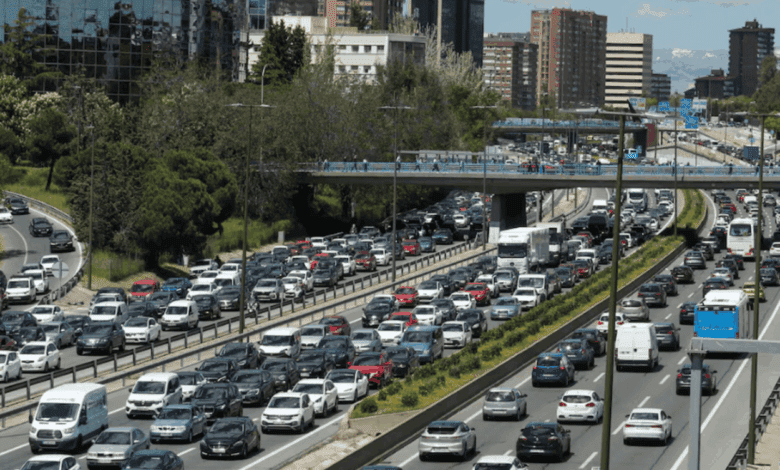
Authorities insist that these measures are necessary to combat traffic congestion and chaotic parking. They believe that increasing the number of paid spaces and extending meter hours will help alleviate street congestion and make the city more convenient for all road users.
At the same time, some residents are concerned that the new rules could create further challenges for those without their own garage or parking space. This is particularly relevant in densely populated areas where parking is already scarce.
In case you didn’t know, the mayor of Madrid, José Luis Martínez-Almeida, has held office since 2019 and is known for his proactive policies in urban mobility. Under his leadership, the city has launched major projects to develop public transportation, improve environmental conditions, and optimize traffic flow. The introduction of new parking regulations is part of a long-term strategy to create a more comfortable and modern urban environment.