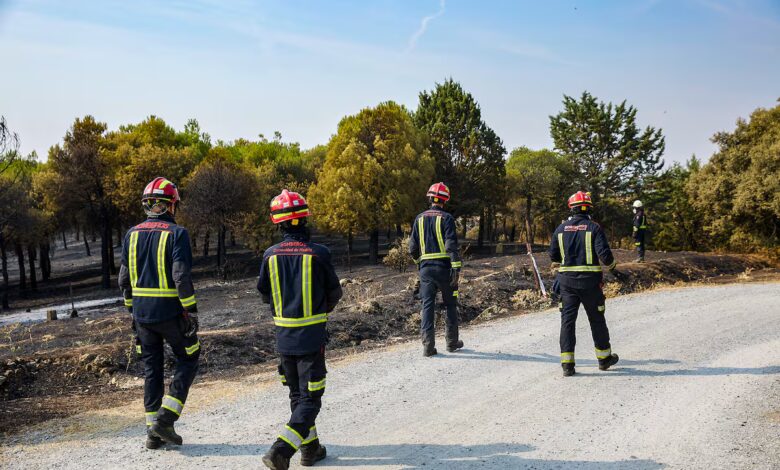
At the very beginning of the year, Madrid firefighters faced an unexpected and alarming situation: their medical unit was shut down. The reason was both banal and absurd—there simply weren’t enough doctors. One went on vacation, another was on sick leave, and there was no one to replace them. Until January 12, the firefighters were left without their usual medical support, sparking outrage among staff and unions.
Firefighters have not hidden their disappointment. For them, the medical service is not just a formality—it is a vital part of their work. It is responsible for the health and safety of the entire team: from regular check-ups to vaccination oversight and workplace adjustments. But now, even as the number of firefighters in the region has nearly doubled over the past twenty years, the number of medical staff remains the same—only four positions, with just two actually filled. This is not just insufficient—it’s dangerous.
Warning signs
Unions have been sounding the alarm for years. They are convinced that the situation in the fire service’s medical department has been deteriorating for a long time and is no accident. In their opinion, this is all part of a strategy to weaken state institutions and gradually transfer their functions to private hands. As an example, they cite the company Fremap, which already handles sick leave and workplace injuries for most regional public employees.
Union representatives are blunt: the authorities are deliberately leaving positions vacant, not hurrying to recruit new specialists, and are increasingly turning to private companies instead. This is particularly noticeable after one of the doctors retired and the search for a replacement dragged on. As a result, when one of the remaining specialists went on vacation and another fell ill, the department simply stopped functioning.
Authorities insist
Regional government officials, on the other hand, claim there are no plans for privatization and dismiss the unions’ accusations as speculation. According to them, the service continues to operate, albeit in a limited capacity. Nurses and administrative staff remain on site, while emergency cases are still being handled by Fremap. The authorities promise that the process of replacing the retired doctor has already begun and the vacancy will soon be filled.
However, firefighters and their representatives are skeptical of these assurances. They note that even if all four positions are filled, this would still be insufficient for the current workload. Twenty years ago, the staff was calculated for 900 employees; now there are more than 1,700. Meanwhile, the demands on medical personnel keep increasing, but the resources are not.
Problems from within
Within the team, there is a prevailing sense that they have simply been abandoned. Many believe that the emergency services leadership is being negligent, failing to look after the health and safety of their own employees. Some even talk about ‘active inaction’—problems go unresolved for years and any attempts to draw attention to them are ignored.
Firefighters emphasize that it’s not just about medical check-ups. The medical division is responsible for a range of critical tasks—from monitoring equipment conditions to assisting in the selection of new employees. Without this support, the entire department operates less efficiently and at higher risk.
Looking ahead
The temporary closure of the medical unit of Madrid’s fire service has become a litmus test for the whole system. It has highlighted just how vulnerable even such vital structures can be when managed on a leftover basis. Firefighters fear that if this trend continues, their service could ultimately fall under the control of private companies—raising questions not only of convenience but of the safety of the entire city.
While authorities promise to resolve the situation and unions continue to push for urgent change, one thing is clear: trust between firefighters and management has been seriously undermined, and restoring it will not be easy. The question of who will take care of those who risk their lives every day for others remains unanswered.