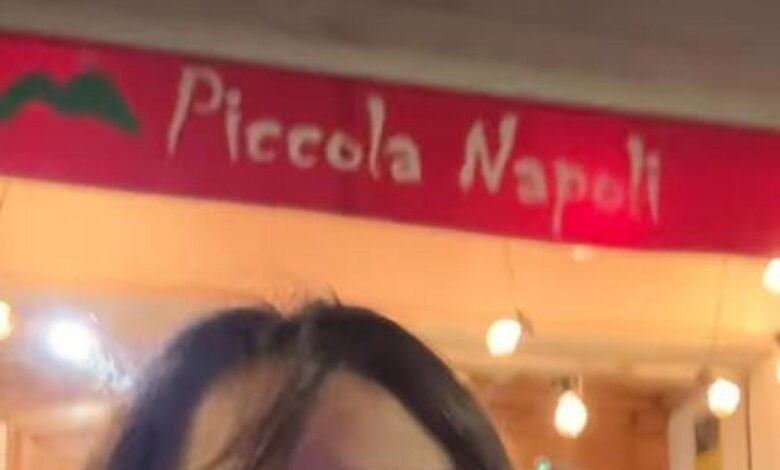
A heated debate has flared up in Madrid between the owners of one of the city’s most popular pizzerias and an influencer who attempted to monetize his popularity in an unusual way. Piccola Napoli, a restaurant recently awarded the prestigious Pizza Europa League prize, has found itself in the spotlight—not only among Italian cuisine lovers but across Spain’s entire online community.
It all started when a well-known influencer approached the owners with an offer to film a short video about the pizzeria, requesting €1,500 for the collaboration. This amount, to put it mildly, is not insignificant, especially considering it was just for tasting one pizza and posting a video on social media. The owner of Piccola Napoli, thinking on his feet, decided to respond to the proposal with humor and creativity—a move that instantly caught the attention of users.
Humor instead of a deal
Instead of negotiating or arguing over the price, the restaurant owner recorded his own video. Smiling, he explained that an influencer from Madrid had asked him to pay €1,500 just for eating pizza at their place. “I decided to eat it myself,” said the restaurateur—a video that quickly went viral in the Spanish social media scene.
The post quickly gained thousands of likes and comments. Many users sided with the business owner, noting that such requests from influencers go far beyond reasonable limits. Some even suggested ‘putting this case in a museum,’ pointing to the absurdity of the situation. However, there were also those who argued that influencer marketing is part of today’s reality and businesses should adapt to it.
The new rules of the game
In recent years, influencers have increasingly participated in advertising campaigns for restaurants and cafes. However, in 2024, a new law (Real Decreto 444/2024) took effect in Spain, tightening regulations for so-called ‘users of special importance.’ Now, if a blogger has more than one million followers or an annual income exceeding 300,000 euros, they must adhere to the same rules as traditional media. In particular, this concerns advertising transparency and mandatory labeling of sponsored content.
These changes have sparked mixed reactions within the industry. On one hand, the new regulations protect consumers from hidden advertising. On the other, many business owners complain about inflated influencer demands, with some asking for astronomical sums for even a minimal brand mention.
Public reaction
The Piccola Napoli incident sparked a wide-ranging debate about the boundaries of acceptable behavior in business-blogger relationships. In the video’s comments, users shared their own experiences: some described receiving similar proposals, others spoke about refusing to pay for questionable promotions. Many pointed out that real popularity comes not through paid reviews but from product quality and genuine customer feedback.
Nevertheless, it’s undeniable: influencers are truly changing the rules of the advertising game. For some, this is a fast track to recognition; for others, it’s a source of annoyance or even conflict. But in the case of Piccola Napoli, self-irony and humor prevailed—which may be the main lesson of this story.