The issue of noise in Madrid has long surpassed being a simple inconvenience and has become one of the city’s most pressing problems. For thousands of residents, the constant roar of traffic, loud events, and nightlife mean chronic sleep deprivation and a lower quality of life. Authorities promise change, but many are convinced that the real sources of noise remain unaddressed.
Where it’s the loudest
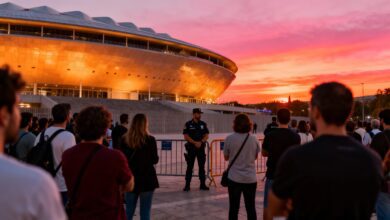
The municipality has identified several streets and districts where noise levels exceed all permissible limits. Boulevards, major highways, and busy streets are only part of the list. For some, the problem is the endless stream of cars; for others, it’s constant concerts and public gatherings. Residents living near the Santiago Bernabéu and Metropolitano stadiums have complained for years about being unable to spend a quiet evening due to loud events. In the city center, on Plaza Mayor, protests against nighttime noise have become almost a daily occurrence.
Madrid authorities have unveiled a new plan aimed at reducing noise levels. The main focus is on expanding public transport, increasing the network of electric vehicles, and building new bike lanes. Major infrastructure projects, such as covering highways and creating green zones, are also part of the strategy. Upon completion of work on the M-30 and A-5, thousands of residents are expected to be spared from the constant racket under their windows.
What residents are unhappy about
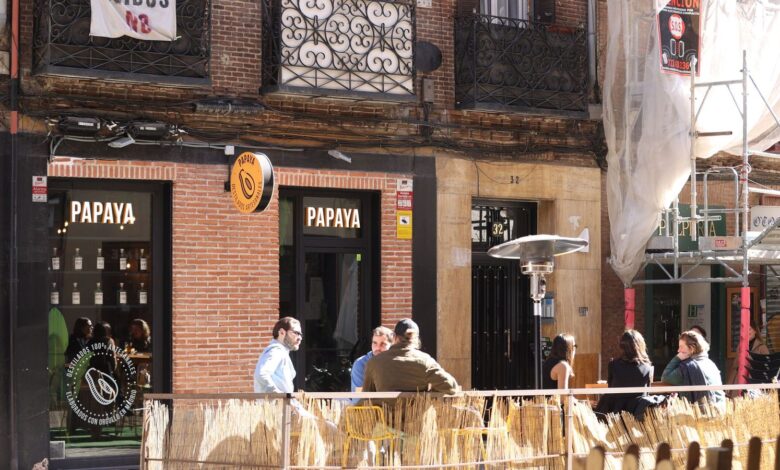
However, many city residents believe these measures do not address the main problem. Representatives of residents’ associations emphasize that noise isn’t just about transportation. They are far more concerned about mass events, late-night terraces, and the bustling activity of hospitality venues. In their view, city authorities are too lenient in regulating cafes and restaurants, limiting themselves to recommendations and awareness campaigns.
The situation with terraces is often cited as an example: proposals to close them at 11:00 p.m. are still only being discussed. Residents are convinced that without strict controls and restrictions, noise in the city will not decrease. Meanwhile, official figures show that over the past twenty years, the number of people exposed to high noise levels has dropped by nearly 80%. Authorities attribute this to the success of eco-friendly transport, the expansion of restricted traffic zones, and the installation of special noise-absorbing road surfaces.
Quiet zones and new challenges
The city hall’s plans include not only fighting noise, but also preserving so-called ‘quiet zones’—parks, large green areas, and new residential neighborhoods on the outskirts. Here, authorities promise to maintain special conditions to ensure residents’ comfort. However, the situation in the city center remains tense: every new concert or festival sparks a wave of complaints.
Similar conflicts are not uncommon in other Spanish cities as well. For example, a recent dispute broke out in Valencia between the city council and the political group Compromís over street activities related to transportation and urban noise. This case, examined in detail in the article about the standoff surrounding street campaigns and fines, highlighted how sharply issues of urban environment and comfort are perceived in different regions of the country.
Context and trends
In recent years, the issue of urban noise has increasingly become the subject of public debate and legal proceedings. In Madrid, Barcelona, and other major Spanish cities, residents are more actively demanding stricter control over nightlife and large events. Authorities, in turn, are focusing on developing transport and infrastructure, but are not always ready to impose tough restrictions on businesses. Such conflicts have already led to a revision of terrace regulations and sparked mass protest actions. In the coming years, further legislative changes and new approaches to urban management are expected.