In Málaga, an unusual method has emerged to tackle the mosquito invasion and the threat of West Nile virus. A local company has decided to use bats as a natural defense instead of traditional chemicals. This approach not only helps control insect populations but also supports the preservation of the local ecosystem.
More than 140 special bat houses have now been installed throughout the province. Each can accommodate up to fifty bats. Before setting up these shelters, specialists carefully study the area to select sites with the highest insect concentrations. After installation, the bats find their new homes on their own, although this process can take anywhere from a few weeks to a year.
A single bat can consume up to three thousand insects a night, including mosquitoes, moths, and locusts. This makes them invaluable allies in the fight against pests, especially in areas where cases of West Nile virus have been reported. In 2024, the province recorded its first human infection, while across Andalucía the number of affected people exceeded one hundred, with ten fatalities.
Saving money and protecting the environment
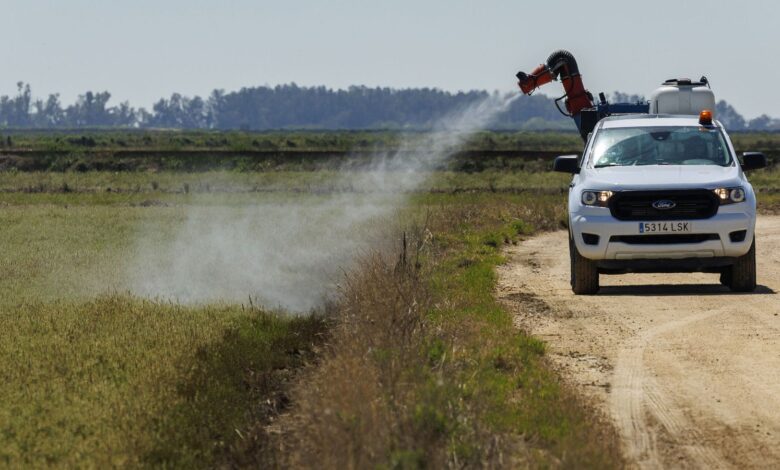
Using bats has significantly reduced the cost of spraying pesticides over large areas. Experts estimate that annual savings could reach up to 10 million euros in the agricultural sector alone. In addition, moving away from chemicals lessens the harm to birds and amphibians, which often suffer poisoning alongside insects.
Nine municipalities in Malaga, including Alhaurín de la Torre, Antequera, Cártama, and others, are currently listed as high-risk areas. In 2025, preventive measures helped reduce the number of infections to just three cases across Andalusia. However, the threat remains, and experts continue to develop biological protection methods.
Debunking myths and educational initiatives
The company goes beyond simply installing shelters. Employees actively engage in outreach activities: they hold events at schools, participate in community happenings, and organize nighttime excursions where participants can observe bats and listen to their ultrasonic calls with special equipment.
One of the main goals is to break stereotypes about bats. Contrary to popular belief, most species do not feed on blood, do not attack humans, and do not get tangled in hair. There are no species in Europe capable of biting through human skin. These animals play a crucial role in maintaining ecological balance and do not deserve a negative reputation.
Technology and virtual reality for the benefit of nature
To raise awareness about bat conservation, the company has launched an innovative project using 3D technology and virtual reality. Now, anyone can ‘visit’ real caves where colonies live and learn more about the lives of these mysterious creatures without disturbing them. This approach helps foster a responsible attitude towards nature and supports environmental initiatives.