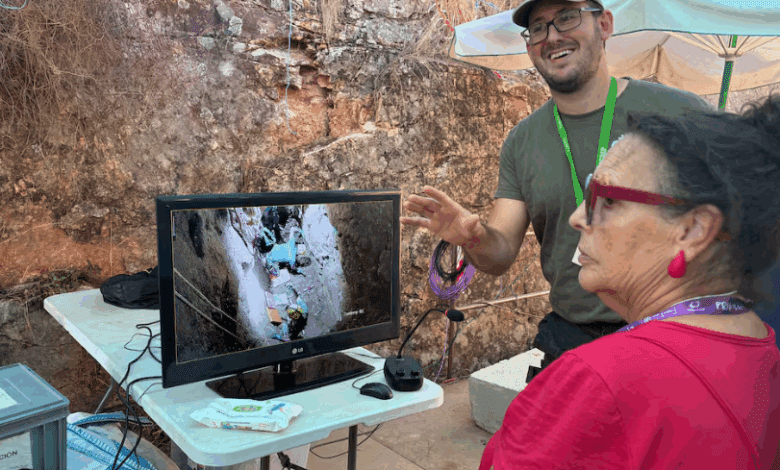
Archaeologists have discovered the remains of an estimated 22–24 people, believed to have died during the Civil War, in an abandoned mine near Zarza la Mayor in the province of Cáceres. The excavation took place deep underground, requiring descent through piles of stones, debris, and old tires. According to experts, reaching the remains proved extremely difficult—they had to remove about 30 tons of debris by hand.
Most of those found were men aged 20 to 40, agricultural workers who supported leftist organizations. Researchers believe the victims may also include a woman who worked as a teacher. The site was chosen deliberately: during the war, the mine served as a secret location to conceal the bodies of regime opponents. For decades, the families of the victims had no idea where to look for their loved ones. Now, watching the archaeologists at work, they feel both relief and sorrow.
The excavations coincided with political changes in the region. The Extremadura parliament has repealed the memory law, which had been adopted to honor the victims of the dictatorship and war. It will be replaced by new regulations that avoid direct references to the 1936 coup and refrain from labeling the subsequent decades as a dictatorship. According to many historians and victims’ relatives, the new version of the law could complicate future work to locate and identify those who died.
Regional authorities claim that the changes are aimed at “reconciliation” and restoring the memory of all victims, but family representatives and researchers express distrust toward these promises. They point out that most exhumation requests have come from relatives of republicans, since the families of nationalists were already able to bury their loved ones during the Franco regime.
The excavation at the mine was financed by local authorities, with both specialists and the relatives of the deceased overseeing the exhumation process. Families were given the opportunity to follow the proceedings on a special screen. For many of them, this became the first step in reconstructing their family history—long suppressed out of fear and pain.
Amid these developments, Spain’s central government continues to allocate funding for the search and identification of victims of repression. It is estimated that thousands of unmarked graves remain in the country. At the same time, the repeal of regional memory laws has raised concerns among international organizations, which urge Spain not to let the tragic chapters of its history be forgotten.