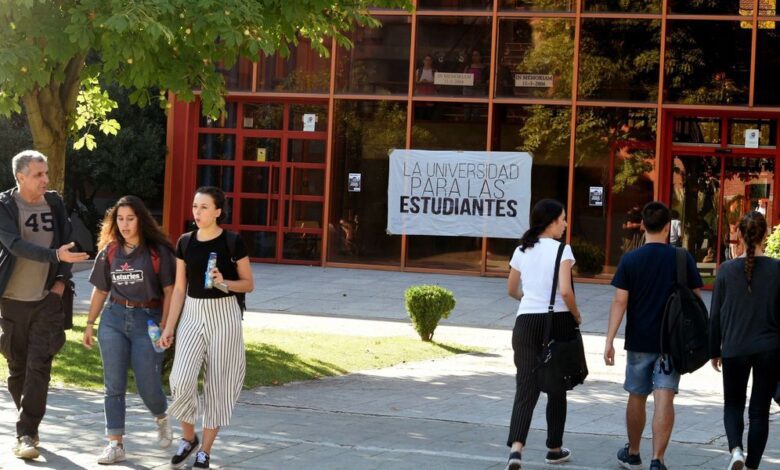
At the end of November, Madrid is bracing for a large wave of protests across its universities. Six of the capital’s leading public universities — Complutense, Autónoma, Rey Juan Carlos, Politécnica, Carlos III, and Alcalá de Henares — have announced a two-day strike. The move comes amid a strong backlash against regional government policies, which protesters claim pose a serious threat to the future of higher education.
Organizers insist that current funding levels not only fail to meet actual needs but also force universities to seek private sources of income — a trend they argue distorts the very mission of educational institutions. According to activists, the percentage of the budget allocated to universities falls well below the legally mandated minimum. They warn that this undermines the independence and quality of higher education.
The bill sparks concern
Financial issues, however, are just part of the conflict. The new draft law on higher education in Madrid (LESUC) has stirred no less outrage. Faculty and students fear the document will restrict university autonomy and impose harsh measures against protest activity. Anxiety is mounting in academic circles, with many viewing the proposals as a threat to freedom of expression and academic debate.
In the lead-up to the strike, campuses are hosting meetings, street lectures, creative events, and open assemblies. From November 10 to 21, activists have planned a packed schedule to raise awareness and prepare participants for mass demonstrations.
Large-scale protests and demands
During the strike, organizers plan to hold rallies outside the regional parliament and the education department, as well as stage a citywide demonstration. Not only students and university staff are invited to join, but also anyone who supports the idea of accessible education.
Despite a recent statement by authorities about a 6.5% increase in funding, activists consider this measure insufficient. They warn: if the situation does not change before the budget is approved in December, protests may continue even during the exam period.
The future of universities is at stake
The movement for university rights is not planning to stop here. Its members intend to increase pressure on the regional government to prevent the adoption of laws and budgets that they believe harm the education system. For many, this is not just a fight for funding, but a matter of preserving the scientific potential and independence of Madrid’s universities.
The campaign will culminate in a major demonstration on November 27 outside the parliament. Professors, students, and university staff will take to the streets to demand real change. Organizers emphasize: if the authorities refuse to make concessions, the protest movement will only gain momentum.