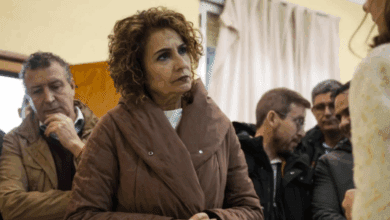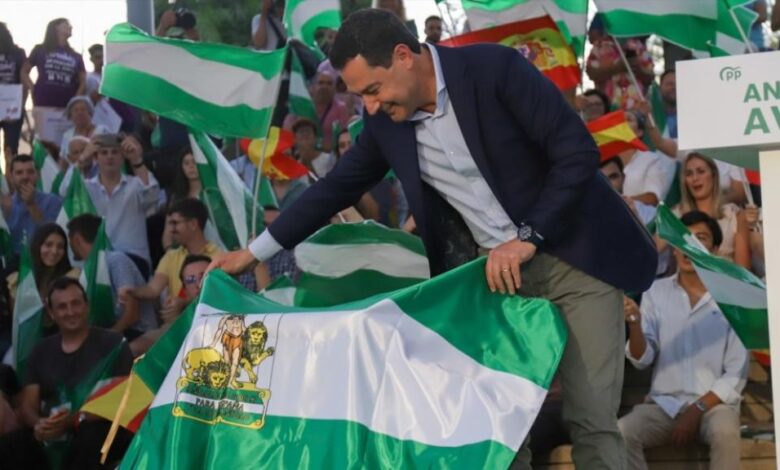
This year, Andalusia Day has become a focal point in political debates, directly affecting the regional mood and potentially shifting the course of the upcoming elections. The decision by Vice President and Socialist candidate María Jesús Montero to abstain from the official medal ceremony sparked strong reactions among politicians and the public. This move has symbolized growing dissatisfaction with how authorities organize state events and has heightened tensions between the main parties.
The festivities coincide with the imminent dissolution of parliament, announced by President Juanma Moreno. According to the law, elections must be held between May 31 and June 21. This decision has already triggered fresh disputes between political forces, as the date of the vote may influence the power balance in the region. As reported by Ale Espanol, Moreno is distancing himself from the Vox party, accusing it of trying to undermine Andalusia’s autonomy, despite the involvement of its members in local institutions.
The politicization of the holiday
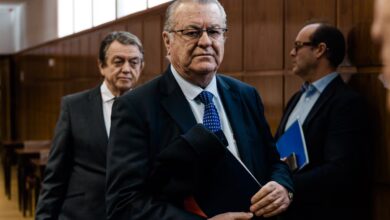
This year’s Andalusia Medal ceremony drew close scrutiny due to the absence of several key figures. Montero not only declined to attend but also advised her fellow socialists to spend this day with their cities’ mayors and residents. She argued the holiday should be dedicated to the people, not used as a self-promotion opportunity for the current president. As a result, no socialist representatives appeared on stage at the Maestranza Theater in Seville, sending a clear signal to all observers.
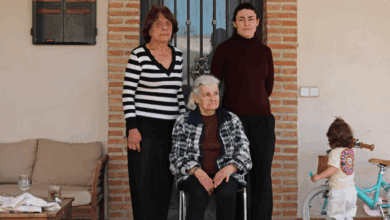
Among this year’s awardees are residents of Adamuz, honored for their solidarity during a recent incident, as well as several notable regional figures. However, public attention has focused less on the list of laureates and more on the absence of the opposition and the way organizers have shaped the ceremony. According to Montero, the event’s format needs to be reconsidered to restore its seriousness and respect for the honorees.
Elections and political calculations
The question of whether regional and national elections might coincide has become another point of debate. Montero is certain Andalusian elections will not be held alongside the national ones, as Prime Minister Pedro Sánchez intends to complete his term in 2027. However, the Andalusian government does not rule out the possibility that the situation could change if Madrid decides otherwise. Some political analysts believe simultaneous elections could benefit the socialists, as has happened in the past.
At the same time, representatives of the Partido Popular are convinced of the opposite: in their view, Montero’s association with the central government fosters distrust among part of the electorate. Internal party struggles and competition with Vox also remain in the spotlight. Moreno emphasizes that any negotiations with this party should take into account the region’s interests, not just national priorities.
Distance between the parties
In recent days, Moreno has been actively demonstrating independence from Vox, especially on the eve of the February 28 holiday. He openly accuses the party’s representatives of seeking to abolish autonomy, which he argues contradicts their desire to participate in regional institutions. This approach heightens tensions in the political arena and fuels interest in the upcoming elections.
Meanwhile, according to Ale Espanol, the Socialists are discussing how to make future ceremonies more transparent and less politicized. The question of who will be the main protagonist of the celebration— the authorities or the region’s residents— remains open. In this context, Montero’s absence from the official ceremony was not just a gesture, but part of a broader opposition strategy.
In recent years, debates over organizing state holidays and presenting awards have become increasingly frequent in Spain. For example, similar events in Catalonia and Madrid have also been marked by political conflicts and opposition boycotts. In 2024, the presentation of regional awards in Valencia sparked heated debates due to the involvement of representatives from various parties. These situations show that state ceremonies are increasingly becoming arenas for political statements and battles for influence, rather than simply occasions to honor citizens.