The history of diplomatic relations between France and Spain in the early 19th century still shapes the nation’s approach to power and culture. At the center of this story stands a rarely mentioned figure: Napoleon Bonaparte’s younger brother, who arrived in Madrid in 1800. According to El confidencial, his mission became a starting point for a series of events that would transform not only Europe’s political map, but also Spain’s cultural heritage.
Luciano Bonaparte (Luciano Bonaparte) arrived in the Spanish capital at a time when the fate of the continent was being decided in salons and secret meetings. His visit coincided with a period when Spain feared the spread of revolutionary ideas from France but was forced to seek compromises to preserve its independence. In these circumstances, diplomatic negotiations became a sophisticated game where personal ambitions overlapped with national interests.
Power and intrigue
In Madrid, Luciano crossed paths with key figures of the Spanish elite: Manuel Godoy (Manuel Godoy), Francisco Goya (Francisco Goya), and the marqués de Santa Cruz (marqués de Santa Cruz). Each played a part in the country’s political and cultural dynamics. Godoy, who became secretary at the court of Charles IV, was not only an influential politician but also a collector of exceptional works of art. It was through Godoy that Luciano was introduced to the realm of Spanish masterpieces, including Goya’s famous painting, The Nude Maja.
Diplomatic negotiations between France and Spain took place not only during official meetings but also in private conversations, where the fate of nations and personal interests were discussed. Luciano and Godoy, both from modest backgrounds, quickly found common ground. Their dialogues reflected the struggle for influence and the pursuit of personal success, which ultimately influenced the decisions made during those years.
The collection and ambition
Luciano’s passion for art played a special role in this story. During his year in Madrid, he managed to assemble a collection of 150 paintings, many of which were acquired through gifts and bribes. According to El confidencial, art became his way of strengthening his status and authority. At that time, collecting works of art was seen not only as a sign of refined taste, but also as a tool for social advancement.
The influence of art on politics revealed itself in other areas as well. The Marquis de Santa Cruz, one of the main defenders of cultural heritage, prevented the destruction of several famous paintings that could have been burned by royal order. Among the rescued works were masterpieces by Rubens, Titian, and Dürer. Struck by what he saw, Luciano became even more determined to build his own collection.
Love and scandals
Personal dramas were not absent either. The Marquise de Santa Cruz (Mariana de Waldstein), originally from Austria, became one of the brightest figures in Madrid’s aristocracy. Her independent spirit and numerous affairs sparked a storm of gossip at court. The relationship between Luciano and Mariana began as a political arrangement but soon developed into something deeper. After Luciano returned to France, she joined the Bonaparte family, but their union proved short-lived. The Marquise died alone in northern Italy in 1808.
Mariana’s influence on court life was significant. She not only maintained a friendship with Godoy but also actively took part in intrigues and espionage games that shaped the course of events. Her actions and decisions were often the subject of discussion among the nobility, and her correspondence with the English writer William Beckford is still preserved in the archives.
Research and Discoveries
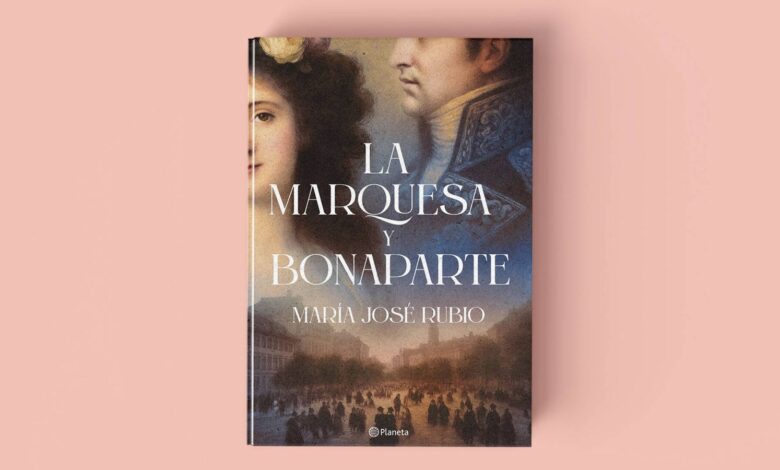
Historian María José Rubio (María José Rubio) spent more than ten years working on the novel ‘The Marquise and Bonaparte.’ She explored archives in Madrid, France, and Toledo to reconstruct the details of Luciano’s life and those around him. Special attention was given to the search for documents and paintings that had been taken out of Spain. According to the author, it was human weaknesses and personal motives that determined the course of history, not just official decisions and laws.
The book uncovers little-known facts about how power, art, and love became entwined in the lives of people at the heart of European change. The story of Luciano Bonaparte and his collection serves as an example of how personal ambition can transform the cultural legacy of an entire country.
In recent years, interest in the fate of artworks taken from Spain throughout various eras has grown noticeably. In 2024, the fate of collections that ended up abroad after the Civil War was widely discussed. In 2025, Madrid hosted an exhibition dedicated to the return of paintings from private collections. Such events raise questions about the preservation of cultural heritage and the role of individuals in art history. Each new instance prompts a rethinking of the past and the pursuit of justice.