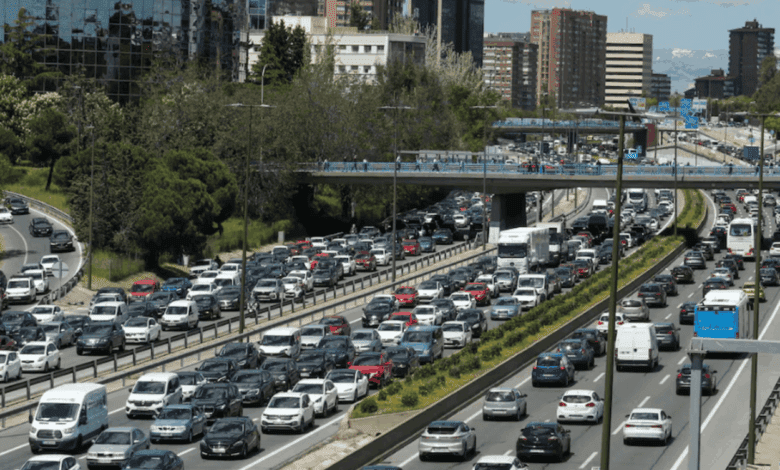
In early December, Spanish roads traditionally become scenes of mass travel. The brief holiday period, combining Constitution Day and the Feast of the Immaculate Conception, once again promises to be a busy time for drivers. This year, although the holidays fall on the weekend, around 5.7 million vehicles are expected to take to the roads across the country from Friday through Monday. Families head to second homes, tourist destinations, and cities where the Christmas spirit is especially vibrant.
Madrid and Vigo become centers of attraction these days for those who want to take in the festive lights, shop, or try their luck with Christmas lottery tickets. Other major cities, as well as coastal and mountain areas—traditional destinations for a short break—are also popular during this period.
Safety measures
To ensure order and safety on the roads, the DGT is deploying a comprehensive set of measures. The operation involves traffic police officers, eight regional traffic control centers, as well as technical teams responsible for maintaining infrastructure. Both fixed and mobile speed cameras will be in operation, along with patrols using helicopters and drones. Special attention will be paid to speed limit compliance and preventing accidents.
During peak hours, reversible lanes and additional routes may be organized to reduce congestion on main roads. Temporary suspension of roadwork, restrictions on sporting events, and bans on truck traffic carrying certain types of goods are all measures aimed at preventing traffic jams and improving safety.
Peak hours
The highest traffic volume is expected on Friday evening and Saturday morning. During these hours, thousands of cars will head out from the cities to leisure spots and shopping centers. Saturday, being a holiday, will see a surge of short trips to entertainment areas and stores, especially near major cities.
Sunday traditionally sees heavy traffic leaving major cities and on routes to recreational areas. Most travelers plan to return home on Monday during the day to avoid evening congestion and arrive before nightfall.
Main routes
Special attention is being paid to the country’s main highways, where the most severe traffic jams are expected. Problems may arise not only on the way out of cities but also on the approaches to mountain areas, where many people choose to spend the holidays. After the holidays end, the main wave of congestion will shift to the entrances of large cities.
Drivers are advised to plan their routes in advance, stay updated on traffic conditions through official channels, and, if possible, avoid traveling during peak congestion hours. For up-to-date information, you can use dedicated services, as well as follow updates on social media and radio.
Recommendations for Drivers
In heavy traffic conditions, it is important to exercise caution and strictly follow traffic regulations. DGT reminds drivers to check their vehicle’s technical condition before setting off, especially if the route includes mountainous or poorly lit areas. Truck and bus drivers should take into account any imposed restrictions and confirm approved routes in advance.
Travelers are advised to remain aware of possible changes in weather conditions that could affect road safety, especially in the northern and central regions of the country. In case of emergency, it is recommended to contact road services and follow their instructions.
For reference, the DGT (Dirección General de Tráfico) is a government agency responsible for managing and overseeing road traffic in Spain. Its duties include road safety, the implementation of new traffic control technologies, and providing citizens with updates on road conditions. Every year, the DGT launches special operations during holiday periods to minimize risks and ensure maximum safety for all road users.