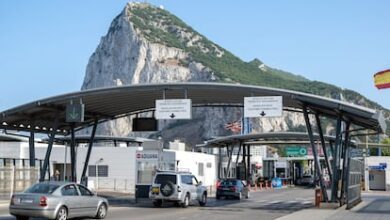
The introduction of a new agreement between Gibraltar and its neighboring regions has become one of the most talked-about events for residents of southern Spain. The document, set to change the rules for crossing the border and working conditions for thousands, has already sparked a wave of emotions and concerns. For many Spaniards, especially those who cross the border daily for work, these changes mean not only new opportunities but also serious challenges.
Among residents of La Línea and Gibraltar, there are many whose lives have depended for decades on political decisions and economic conditions at the border. Stories of families once divided are still heard in local conversations. Many, for example, recall the years when the border was closed, turning trips to doctors or work into a real ordeal. Now that the text of the new agreement has become available, everyone is trying to understand how their daily life will change.
Economic changes
One of the most notable changes has been the increase in the tax rate in Gibraltar from 10% to 17%. This decision has already raised concerns among entrepreneurs and workers, especially those involved in trade and the service sector. The owner of a major food and beverage import company noted that higher taxes and rising business costs could hit small businesses hard. The short transition period—just two months—adds further uncertainty.
Many workers employed at businesses in Gibraltar fear that the new conditions will affect their incomes and stability. Some have already started looking for alternative job opportunities or are considering returning to the Spanish side. At the same time, some experts believe that in the long term, the agreement could bring new investment and jobs to the region if initial challenges are overcome.
Social issues
Pensioners who worked in Gibraltar for many years are also carefully studying the details of the agreement. One former employee said his pension is 900 euros, with Spain providing a top-up to 1,200 euros. However, many are concerned that the pension system has not undergone significant changes, and the legal clarity only covers previously agreed conditions. This raises questions about the future of social protection for new generations of workers.
Housing has become another pressing issue. La Línea is already seeing a sharp rise in real estate prices, which is worrying both local residents and those planning to relocate. The city mayor has called on authorities to speed up the construction of affordable housing to contain price growth and prevent social tension. Some residents have chosen to purchase property in advance in order to avoid a possible price spiral.
Public response
Public opinion on the new agreement is divided. Some believe the deal is essential for the region’s stability and development, while others fear the changes will disrupt their usual way of life. Critics have accused the Government of Gibraltar of lacking clarity and transparency in the new measures. At the same time, some entrepreneurs and experts call for a broader view, urging an assessment of long-term prospects.
The Gibraltar minister emphasized that the agreement is the result of complex and lengthy negotiations. According to him, the parties chose the path of cooperation while retaining control over key issues. Throughout the day, representatives of various political groups shared their views, noting both the strengths and weaknesses of the document. The agreement is expected to take effect as early as April, allowing residents of the region to assess its impact in practice.
In recent years, border issues and working conditions at the intersection of Spain and Gibraltar have repeatedly sparked heated debates. After the United Kingdom’s exit from the EU, many feared severe restrictions and job losses. However, each new round of negotiations brought both hope and fresh concerns. Similar agreements have already changed life in the border areas, such as after the border reopened in 1982. Then, as now, the changes caused anxiety, but over time the region found new ways to develop.