The scandal surrounding the Kitchen case has returned to the spotlight in Spanish society after the emergence of new documents related to Luis Bárcenas’s time in prison. These materials may shift public perception, as the issue concerns not only alleged espionage but also potential violations of inmate rights. For Spain, this raises questions about trust in its institutions and the transparency of government operations.
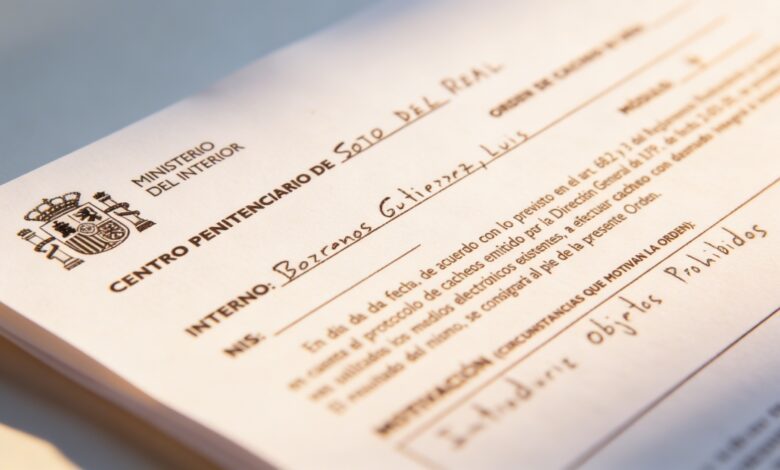
According to EL ESPAÑOL, lawyer Marta Jiménez-Cassina, representing the former Partido Popular treasurer, submitted documents to the court confirming that strict disciplinary measures were applied to Bárcenas at Soto del Real prison (Madrid). Among these was an order for a “cacheo con desnudo integral” (full strip search), which was carried out on September 17, 2013. The defense argues that such actions were not incidental but rather a response to his statements and position, potentially indicating repressive tactics by the Ministry of the Interior.
Details of the disciplinary measures
The case files include information on additional sanctions imposed on Bárcenas, such as a 30-day outdoor exercise ban. The lawyer argues that these measures were excessive and lacked valid grounds. The documents state that the search was prompted by suspicions of attempting to smuggle prohibited items, yet no supporting evidence was found. Bárcenas himself formally protested these actions in writing, as documented in the official record.
Since his placement in pre-trial detention on June 27, 2013, Bárcenas has repeatedly complained about the conditions of his confinement. Notably, he sought medical assistance for wrist injuries caused by handcuffs being too tight. These incidents are also part of the case files and will be examined during the trial.
The Trial and New Demands
The trial in the Kitchen case began on Monday, with former Interior Minister Jorge Fernández Díaz and other high-ranking officials in the dock. Bárcenas’s lawyer argues that his client was subjected not only to surveillance but also to targeted punishments in prison. During the first session, representatives of the PSOE, acting as public prosecutors, demanded a review of the case and a reopening of the investigation into the role of María Dolores de Cospedal, who previously served as minister and secretary general of Partido Popular.
As noted by EL ESPAÑOL, the list of witnesses includes the former director of the Soto del Real prison, and the court plans to hear nearly a hundred people in total. The focus on the specifics of disciplinary measures and Bárcenas’s detention conditions could prove crucial in assessing the actions and motives of state authorities.
Context of the Kitchen Case
The Kitchen case has sparked heated debate in Spanish society for years. The investigation centers on allegations of illegal data gathering and attempts to conceal compromising materials linked to the leadership of Partido Popular. According to RUSSPAIN.COM, newly surfaced documents on the punishments of Bárcenas could shed light on the methods of pressure applied to those involved in the case.
Previously, media outlets reported how the Kitchen case investigation exposed secret schemes and ties between politicians and law enforcement agencies. For example, details about documents stolen from the Bárcenas family have prompted new questions for authorities and intensified public attention around the case.
Similar cases in Spain
In recent years, Spain has faced several high-profile cases involving prison conditions and possible abuses by penitentiary administrations. The case of former officials investigated for corruption also raised questions about the legality of disciplinary measures. Public interest in such cases remains high, as they touch on fundamental issues of justice and transparency in the work of state institutions. Each new incident related to violations in the penitentiary system sparks debate about reforms and the need for oversight of government actions.