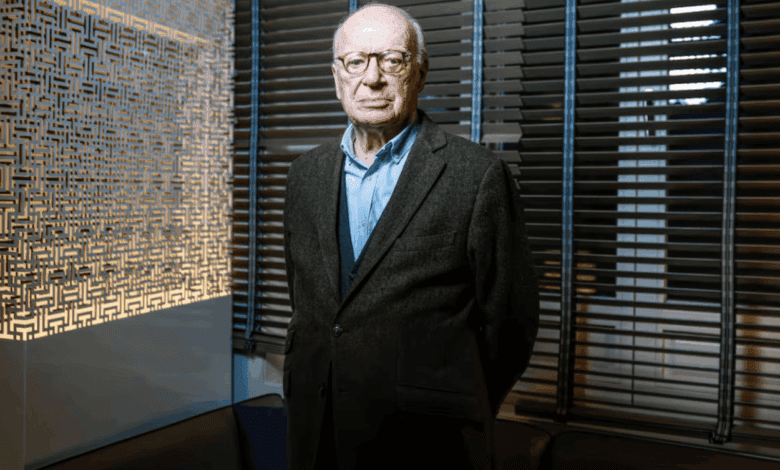
Veteran Spanish politician Nicolás Sartorius, who spent years in prison in the 1970s for his involvement in the underground resistance against the Franco regime, has once again found himself in the public spotlight. Ahead of the 50th anniversary of the dictator’s death, he criticized former King Juan Carlos I, accusing him of trying to rewrite history and downplay the role of the people in Spain’s transition to democracy.
Sartorius, one of the founders of the Comisiones Obreras trade union, reminded that the monarch received his power directly from Franco and only agreed to reforms under pressure from mass protests and civic activism. In his view, it was the collective efforts of the Spanish people, not the monarch’s will, that drove the changes. He also emphasized that Adolfo Suárez played a far more significant role in democratizing the country than the king.
Challenges of historical memory and today’s issues
Sartorius expressed concern that a significant part of society still views the years of dictatorship in a positive light. He links this to an insufficient effort to preserve historical memory and the spread of distorted perceptions of the past. According to him, such amnesia allows some politicians and public figures to justify authoritarian methods and even glorify the dictatorship.
He pointed out that in modern Spain, myths and propaganda that justify past repressive practices still circulate. Sartorius considers this a dangerous trend, especially amid rising inequality, growing xenophobia and anti-immigrant sentiment, as well as attempts to restrict civil liberties.
The fight for rights and democracy continues
The veteran of political struggle reminded everyone of the importance of defending social and civil rights, as well as the need to support the healthcare and education systems. He stressed that democratic achievements are not guaranteed forever and must be constantly protected against threats.
Sartorius also touched on the topic of the 1977 amnesty, noting its significance for societal reconciliation. However, he highlighted that current political conflicts, including those between major parties and regional movements, require new approaches and dialogue. He urged people not to forget the lessons of the past and not to let revisionism undermine the foundations of democracy.