Northern regions of Spain are on the brink of a food crisis. Hundreds of trucks are stranded on highways due to a ban on traffic along key motorways. The cause is heavy snowfall that has essentially paralyzed transportation. As a result, stores and supermarkets in Galicia, Asturias, Cantabria, and Castilla y León risk being left without fresh supplies. Drivers are forced to spend hours, sometimes days, waiting for permission to proceed, while logistics centers operate in a state of uncertainty.
On Friday morning, more than 440 trucks gathered on the roads of Zamora province. Three hundred trucks stood on the A-52 near Quintanilla de Urz, another 120 in Puebla, and about twenty in Mombuey. Traffic in these areas was almost completely paralyzed. Authorities imposed strict restrictions on the passage of heavy vehicles, fearing further snowfall and icy conditions. Drivers were virtually trapped on the highways, while stores were left without their usual deliveries.
Platforms and stores
Logistics centers of the largest chains — Mercadona, Lidl, Dia, Alimerka, Froiz — faced a real collapse. Deliveries of food and essential goods were put at risk. Representatives of retail companies call the truck movement ban excessive and premature. In their opinion, the decision was made hastily and without considering the real situation on the roads. As a result, valuable hours were lost when goods could have been delivered to stores.
The problem is felt most acutely in small towns and rural areas, where there are simply no alternative supply routes. Some settlements are already experiencing shortages of certain goods. However, there is no panic yet: trade associations are urging residents to remain calm and not to stockpile food. According to them, the situation is difficult but under control, and a widespread shortage is not expected for now.
Outrage among carriers
Transport companies and carrier associations have sharply criticized the authorities’ actions. They say that such large-scale restrictions cannot be introduced without prior notice and time for preparation. Freight transportation is a complex system in which any change to routes or schedules requires careful coordination. Drivers have found themselves trapped: many are forced to spend the night in their cabs, far from home and unable to return to their families.
There is particular indignation over the fact that the travel ban was introduced even before heavy snowfall began. Many believe the authorities were overly cautious, acting before the weather conditions deteriorated. As a result, hundreds of people became hostages to the situation, and businesses are suffering losses due to disrupted deliveries and broken contracts.
Restrictions and recommendations
Authorities insist that the measures are necessary for the safety of all road users. Strict controls are in place on the roads of the northwest, especially for heavy vehicles weighing over 7.5 tons. Drivers are advised not to travel unless absolutely necessary, to use winter tires or chains, and to pay close attention to road signs and police instructions.
On certain sections of the highways, movement is allowed only with chains, and on some stretches, it is completely prohibited for trucks. The situation is particularly difficult on the A-6 between Combarros and Pedrafita do Cebreiro, as well as on the A-52 between Requejo and A Canda. Drivers are advised to keep the left lane clear for special vehicles and snowplows.
Weather sets the rules
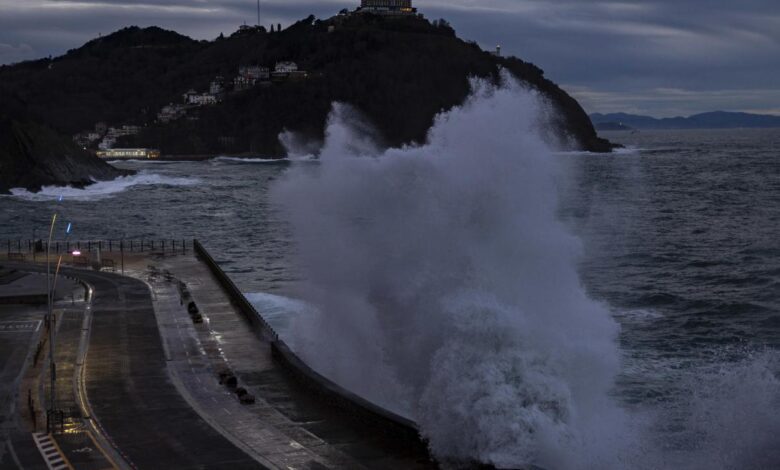
Meteorologists warn that snowfall in northern regions could continue until the end of the week. Dozens of roads remain at risk, including five major highways. Authorities pledge to lift restrictions as weather conditions improve, but have not yet named specific dates. Residents and businesses are forced to adapt to the whims of nature and official decisions.
The supply situation remains tense. Stores and logistics centers are on standby, while drivers hope the restrictions will soon be lifted. For now, northern Spain lives in a state of uncertainty, and food security has once again come to the forefront.