Mallorca, the jewel of the Mediterranean, attracts not only with its turquoise coves and golden beaches. The island holds deep secrets of the past, its land marked by the footsteps of ancient civilizations. Amid a host of picturesque towns and villages, one stands out for its history that stretches back centuries—long before many of today’s famous resorts appeared. And surprisingly, it’s not the island’s capital.
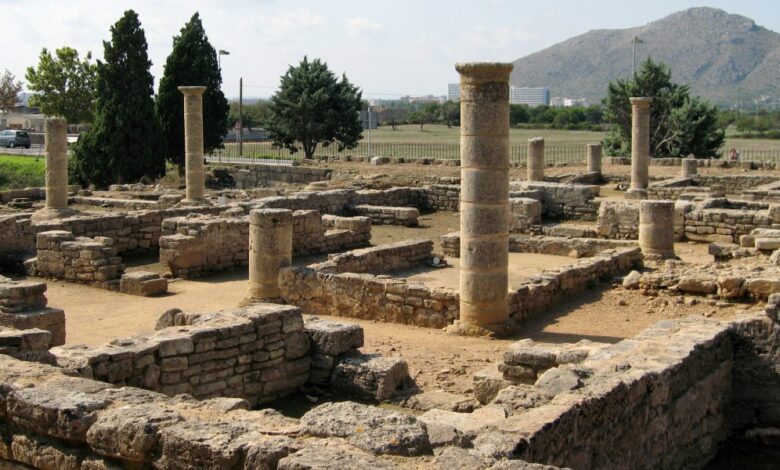
Alcudia, located in the northeast of the island, is rightfully considered the oldest town on Mallorca. Its official history began in 123 BC, when the Roman consul Quintus Caecilius Metellus founded the city of Pollentia here. This was the first major Roman settlement in the Balearic Islands, which quickly became the region’s administrative, political, and commercial center. Today, visitors can immerse themselves in this glorious past by strolling among the ruins of the Roman forum, the ancient theater, and the remains of powerful city walls. Interestingly, the name Pollentia is similar to the neighboring town of Pollença, which sometimes creates confusion, but archaeological findings leave no doubt—the ancient capital once stood precisely where modern Alcudia is today.
However, the history of these lands began long before the arrival of Roman legionnaires. Archaeological evidence points to Bronze Age settlements. Ancient tribes chose this area for its strategic coastal location and fertile soil. After the fall of the Roman Empire, the city came under Byzantine influence, and then, for several centuries, under Muslim rule. The Arab legacy is still evident in the layout of certain streets and in the advanced irrigation systems of that era. The Christian conquest in the 13th century ushered in further changes: majestic medieval walls were built—still encircling the old city today—and churches were constructed, shaping its modern appearance.
Today’s Alcudia seamlessly blends a rich heritage with modern comforts. Life moves at a relaxed pace, attracting both locals and foreigners in search of peace and tranquility. The town offers everything you need: schools, shops, weekly markets, and a variety of restaurants to suit all tastes. Just minutes from the historic center lie the famous beaches with crystal-clear waters and powdery white sand. Nature lovers will appreciate the proximity to the Albufera Nature Park—an ideal spot for hiking and cycling. The town’s cultural life is vibrant, filled with festivals and celebrations. The real estate market here is also noteworthy: as of October 2025, the price per square meter is around €4,753, which is slightly below the Balearic Islands’ average but shows steady growth thanks to the region’s popularity with tourists and high quality of life.
When talking about the island’s ancient history, we cannot overlook Mallorca’s earliest inhabitants: the people of the Talaiotic culture, a prehistoric civilization that emerged on the island around 2000 BC. Migrating from the western Mediterranean, these peoples built mysterious stone structures known as talayots. These towers served as defensive outposts, homes, and ceremonial centers. Their legacy—whole settlements like Ses Païsses—can still be seen on the island today, offering a glimpse into the distant past of this remarkable land.