Spanish Youth and Attitudes Toward Authoritarianism
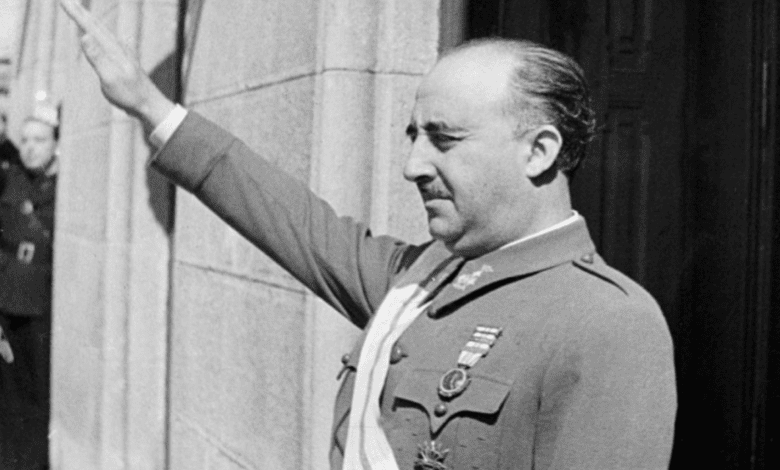
In Spain, a quarter of young people believe that, under certain circumstances, authoritarian rule may be preferable to democracy. This finding comes from a large-scale survey conducted on the 50th anniversary of Francisco Franco’s death. The study included various age and social groups, revealing striking differences in perceptions of historical events and political regimes.
Historical Memory and Gaps in Knowledge
Nearly half of young Spaniards surveyed do not know how the poet Federico García Lorca died. This highlights significant gaps in knowledge about the country’s recent past. Although a Democratic Memory Law was introduced in 2022 requiring educational institutions to teach about Franco-era repression, survey results indicate that these measures have yet to substantially improve young people’s awareness.
The Impact of Political Views on Attitudes Toward Francoism
Particular attention was drawn to responses from Vox party supporters. Among them, more people viewed the Franco period with sympathy than with condemnation. This suggests that political preferences directly influence how historical events and figures are evaluated. At the same time, Francoism is perceived predominantly negatively in other political circles.
Causes and Consequences of Historical Revisionism
Experts note that the long period of dictatorship, accompanied by propaganda, as well as the late introduction of the topic of repression in educational programs, have contributed to a distorted perception of the past. Additionally, the growing popularity of far-right ideas and the spread of revisionist and denial narratives on social media are fueling a trend among young people to reinterpret history.
Family memory and the impact of the Civil War
The survey also revealed that the effects of the Civil War are still felt within Spanish families. Many respondents say that the events of those years have left a mark on their family history, yet the details often remain unknown or distorted. This further complicates the formation of an objective view of the past.
Assessment of the transitional period and memory politics
Respondents have differing views on the period of transition to democracy and current initiatives to preserve historical memory. Some believe that the current measures are insufficient, while others think they are excessive. Overall, the survey results point to the need for further efforts to educate and encourage critical reflection on the past among the younger generation.