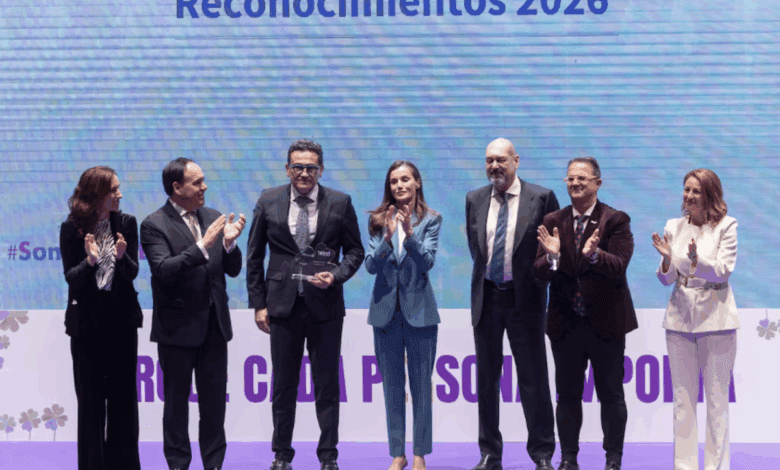
In Spain, more than 3 million families are affected by rare diseases, and for most of them, obtaining a diagnosis and treatment becomes a long and complicated journey. This issue came into sharper focus after Queen Letizia’s speech at an event in Castellón, where she drew attention to the story of Elena—a young girl with Sanfilippo syndrome. Elena’s case has become emblematic for thousands of patients who wait years for an accurate diagnosis and access to therapy. According to El Pais, only 6% of over 6,000 rare diseases have a specific treatment, and the average wait time for a diagnosis exceeds six years.
Queen Letizia emphasized that behind every statistic, there is a real family struggling with uncertainty and a lack of support. She called for faster diagnostics and more research to prevent these stories from repeating. Attending the event were Minister of Health Mónica García and representatives from the Federation of Rare Diseases (Feder), which brings together hundreds of organizations from across the country. On this day, particular attention was paid not only to medical, but also to social aspects of the issue: patients and their families often experience difficulties in education, employment, and social integration.
Diagnosis challenges
According to Feder, the diagnostic journey for most patients begins in hospital corridors, where doctors and families search for answers to numerous questions. The genetic nature and variety of symptoms make diagnosing rare diseases particularly challenging. In 20% of cases, the wait for a diagnosis lasts more than ten years. The absence of an accurate diagnosis means it is impossible to select effective treatment or gain access to necessary social and medical resources. This adds extra stress for families and worsens patients’ quality of life.
Feder president Juan Carrión emphasized that inequality in access to diagnosis and treatment affects both the present and future of patients. He stressed that behind every diagnosis stands a life that must be protected. This year, Hospital La Fe in Valencia was recognized with an award for its contribution to supporting patients with rare diseases. Carrión noted that only 20% of rare diseases in Spain are the focus of scientific research, meaning most patients remain without hope for new therapies.
New initiatives
In 2026, a European initiative is under discussion that could transform the approach to diagnosing rare diseases. There are plans to establish unified standards so that a diagnosis is made no later than 12 months after the first symptoms appear. This would enable early detection of diseases and faster treatment. In Spain, prenatal screening programs are already being implemented, and funding for research is increasing—Feder has allocated 9 million euros for these purposes.
However, despite this progress, most patients still face a lack of information and support. Queen Letizia emphasized that equality in access to treatment should become the norm, not the exception. She called on society and the government to work together to create a system where every patient can count on timely assistance.
Context and trends
In recent years, Spain and other European countries have been paying increased attention to the challenges of rare diseases. New patient organizations are emerging, support programs for families are expanding, and the government is boosting funding for research. In 2025, Madrid hosted an international conference on rare diseases, where early diagnosis and social integration of patients were discussed. Some regions of the country have already launched pilot projects for the expedited detection of rare conditions in children. These steps show that the issue is gradually moving to a new level, giving patients more chances for a better life.