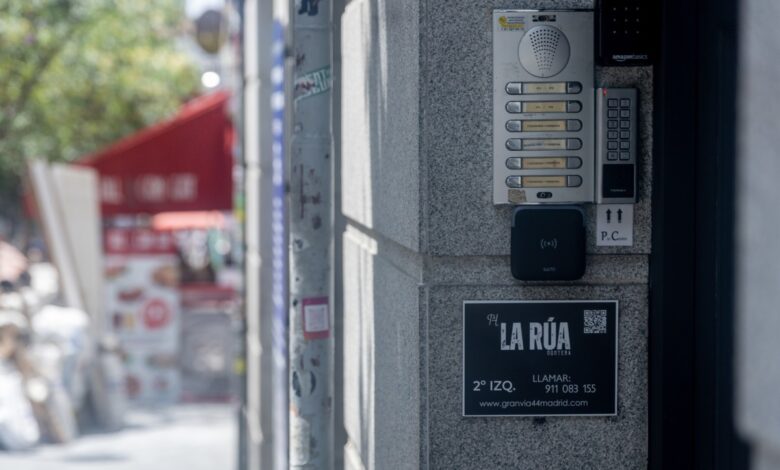
Record-Breaking Registration Rates: The Digital Era of Rentals
Since July 2024, Spain has required mandatory digital registration for everyone renting out property to tourists. In a short period, the number of unique rental identification numbers issued has exceeded 370,000. This surge was made possible by the introduction of a unified online portal under the new royal decree. Now, each short-term rental must be entered into a special registry and its owner must obtain an individual number.
Expanding Cooperation: Regions Join the System
In 2025, regional and local authorities actively joined the project. Among them are Catalunya (Generalitat de Catalunya), País Vasco, and Navarra. Agreements between registrars and administrations enable municipalities to access up-to-date data on registered properties. This helps cities more effectively monitor compliance with the new rules and plan neighborhood development in response to tourist influxes.
Oversight and New Opportunities for Cities
The system already covers over thirty municipalities and eight autonomous communities. In the coming months, more regions are expected to join—negotiations are already underway. This will allow local governments to detect violations faster and manage the concentration of tourist rentals in residential neighborhoods. Experts say this approach should ease tensions between residents and visitors.
The Future of the Market: What Will Change for Hosts and Tourists
The introduction of digital oversight is a game-changer for all market participants. Property owners are now required to register their units on time, while tourists can be confident in the legality of their rentals. Tighter regulations are expected to reduce the number of illegal listings and make the market more transparent. Authorities believe these new measures will help cities better manage tourist flows and maintain a balance between the interests of residents and businesses.